4 Wheel Alignment vs. Traditional Wheel Alignment: Which Is Right for You?
Understanding Wheel Alignment
Wheel alignment is crucial for maintaining your vehicle's performance and safety. It ensures that your wheels are set to the optimal position as per the manufacturer’s specifications. Proper alignment can improve handling, increase tire lifespan, and enhance fuel efficiency.
When it comes to wheel alignment, there are two primary types: 4-wheel alignment and traditional wheel alignment. Choosing the right one depends on your vehicle type and specific needs.
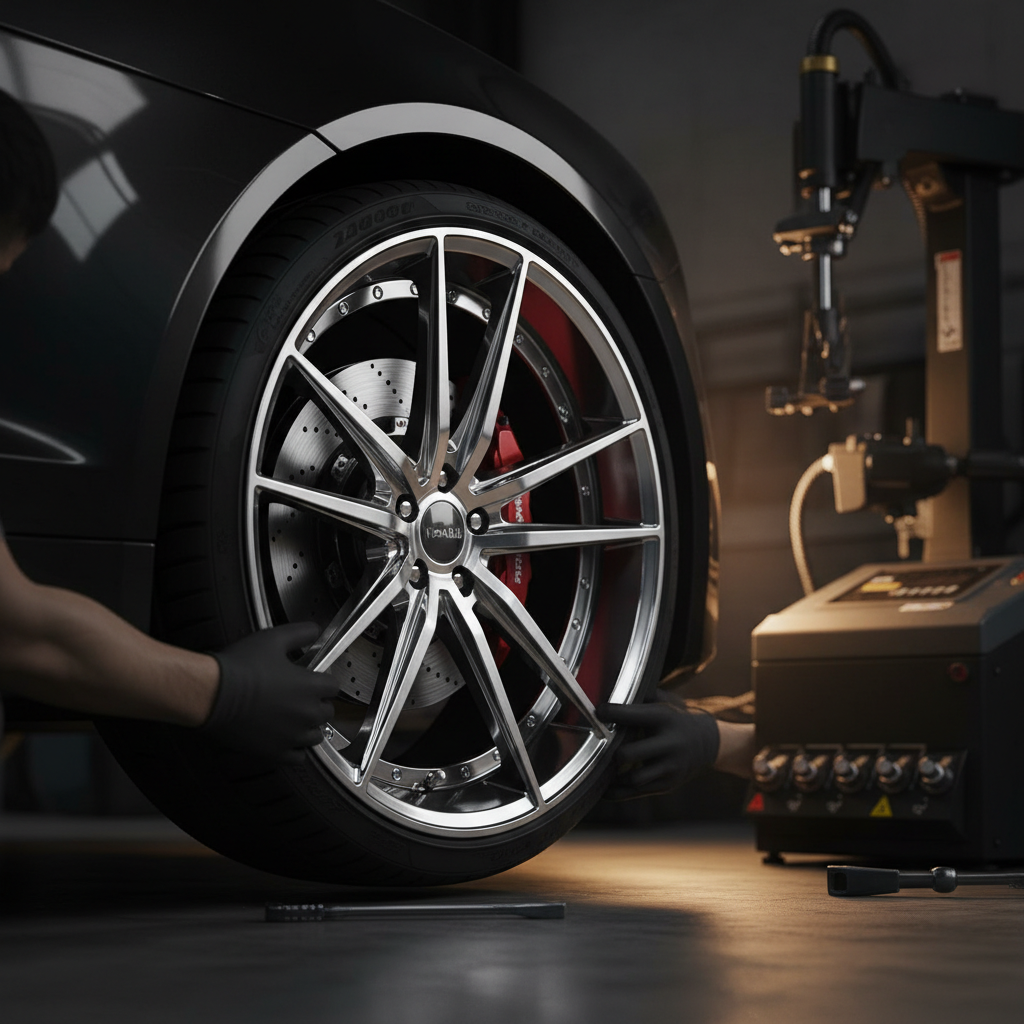
What Is Traditional Wheel Alignment?
Traditional wheel alignment, often referred to as front-end alignment, focuses on adjusting the front wheels of the vehicle. This method is suitable for vehicles with a solid rear axle, where the rear wheels are fixed and do not require adjustment.
During a traditional alignment, technicians adjust the camber, caster, and toe angles of the front wheels. This type of alignment is generally quicker and less expensive than a 4-wheel alignment.
What Is 4-Wheel Alignment?
A 4-wheel alignment adjusts all four wheels of the vehicle. This is essential for vehicles with independent rear suspension systems, allowing for more precise adjustments. It ensures that all four wheels are parallel and the vehicle’s centerline is perfectly aligned.
The 4-wheel alignment process involves adjusting the front and rear camber, caster, and toe angles. This comprehensive approach can lead to better handling and even tire wear.
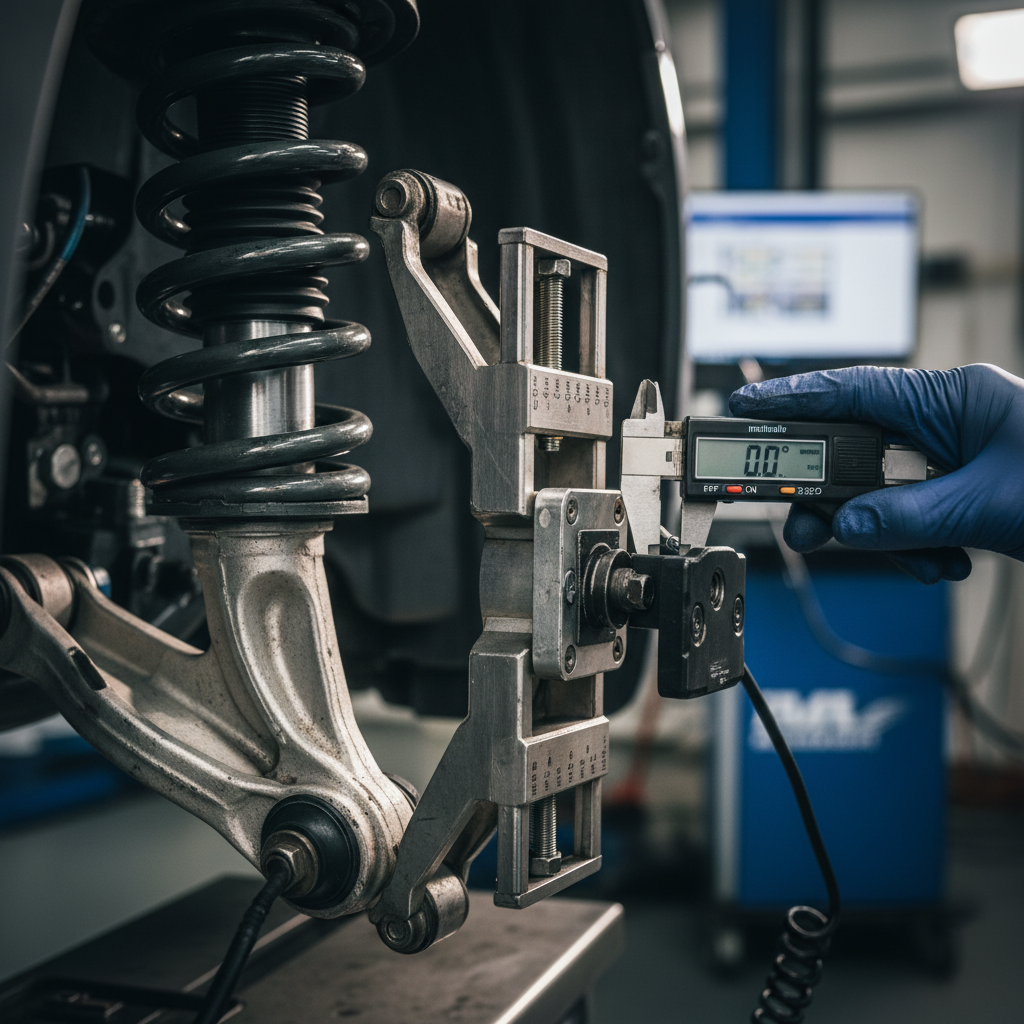
Benefits of 4-Wheel Alignment
Opting for a 4-wheel alignment provides several advantages:
- Improved Handling: By aligning all four wheels, your vehicle will steer more smoothly and handle better.
- Even Tire Wear: Proper alignment helps ensure that your tires wear evenly, extending their lifespan.
- Enhanced Safety: A well-aligned vehicle is less likely to drift, offering safer driving conditions.
When to Choose Traditional Wheel Alignment
If your vehicle has a solid rear axle, traditional wheel alignment may suffice. This method is effective for:
- Older vehicles or classic cars that don’t have independent rear suspension.
- Vehicles that primarily need front-wheel adjustments.

When to Choose 4-Wheel Alignment
Consider a 4-wheel alignment if your vehicle has:
- Independent rear suspension.
- Been involved in an accident affecting its suspension.
- Uneven tire wear or handling issues.
Conclusion
Choosing between 4-wheel and traditional wheel alignment depends on your vehicle’s suspension type and specific needs. While a traditional alignment might be adequate for some, a 4-wheel alignment offers a more comprehensive solution for modern vehicles.
Regular alignment checks are recommended to maintain optimal vehicle performance and safety. Consult with a professional to determine the best alignment type for your vehicle.
📍 Need 4 Wheel Alignment, ADAS Calibration or an MOT in Bootle?
Wheel Alignment & Ball Joint Centre Ltd
17 Forth Street, Bootle, Liverpool, L20 8NL
📞 Call: 0151 933 5111 | 🌐 Book Online: wabjc.com
Merseyside’s specialists in computerised 3D Hunter wheel alignment, digital ADAS calibrations, and Class 4, 5 & 7 Test-Only MOTs.