5 Signs Your Vehicle Needs Digital ADAS Calibration
In today's rapidly evolving automotive landscape, advanced driver-assistance systems (ADAS) play a crucial role in ensuring road safety and enhancing driving experiences. These systems rely heavily on precise calibration to function correctly. But how do you know when your vehicle needs digital ADAS calibration? Here are five telltale signs that it's time to get your vehicle checked.
1. Recent Windshield Replacement
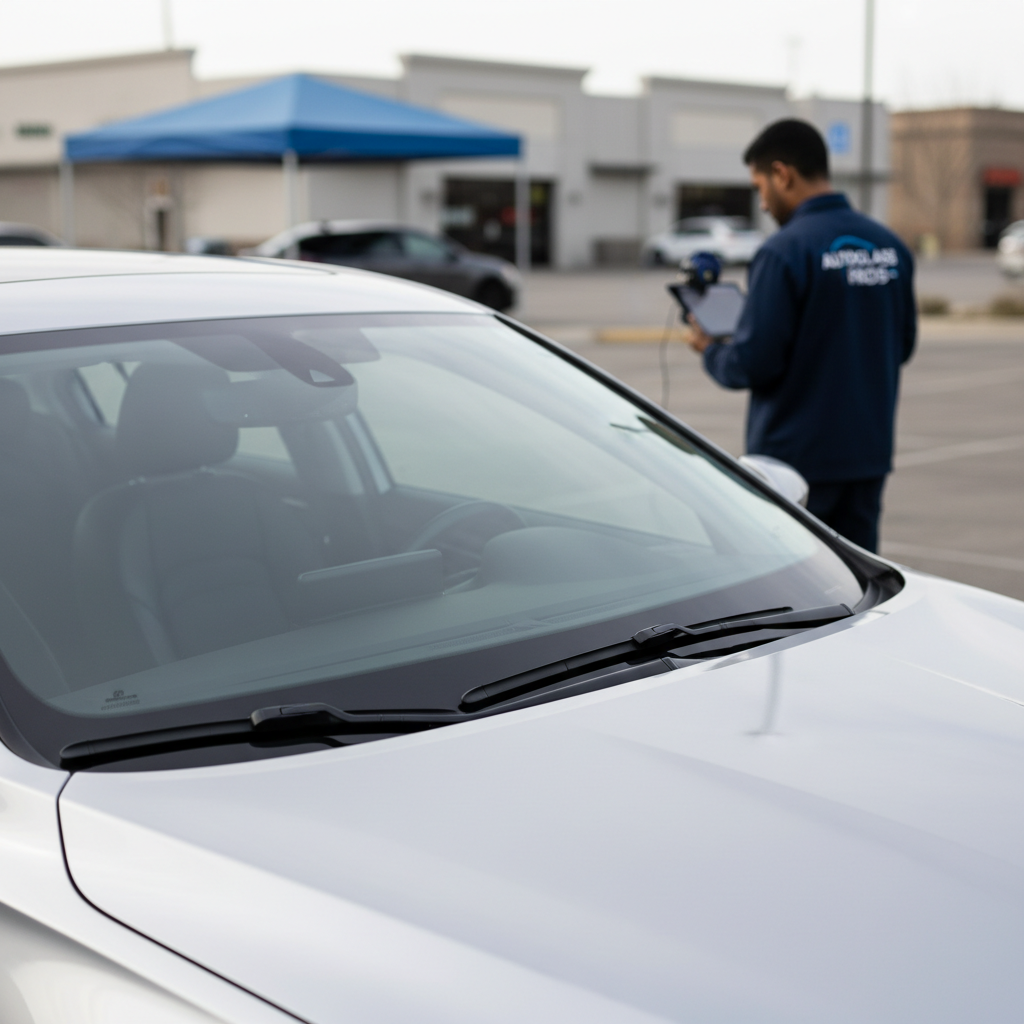
If you've recently replaced your vehicle's windshield, it’s essential to consider digital ADAS calibration. Many ADAS components, such as cameras and sensors, are mounted on or near the windshield. A new windshield can affect the alignment of these sensors, leading to inaccurate readings.
Failing to recalibrate can result in your ADAS not functioning as intended, which can compromise your vehicle's safety features, such as lane departure warnings and adaptive cruise control.
2. Collision or Fender Bender
Even minor accidents can impact the alignment and functionality of your vehicle's ADAS. After any collision, it’s advisable to have a professional assess the system for calibration needs. The impact can shift sensors, cameras, and other critical components, affecting their accuracy.
Without proper calibration post-collision, you might experience false alerts or, worse, a complete failure of safety systems designed to prevent accidents.

3. Dashboard Warning Lights
If you notice any new warning lights on your dashboard, it might be time for a digital ADAS calibration. These lights often indicate that something is amiss with your vehicle’s systems, including ADAS components.
Ignoring these warnings can lead to further complications, as the systems might not perform optimally, putting you and others at risk on the road.
4. Sensor Replacement or Adjustment
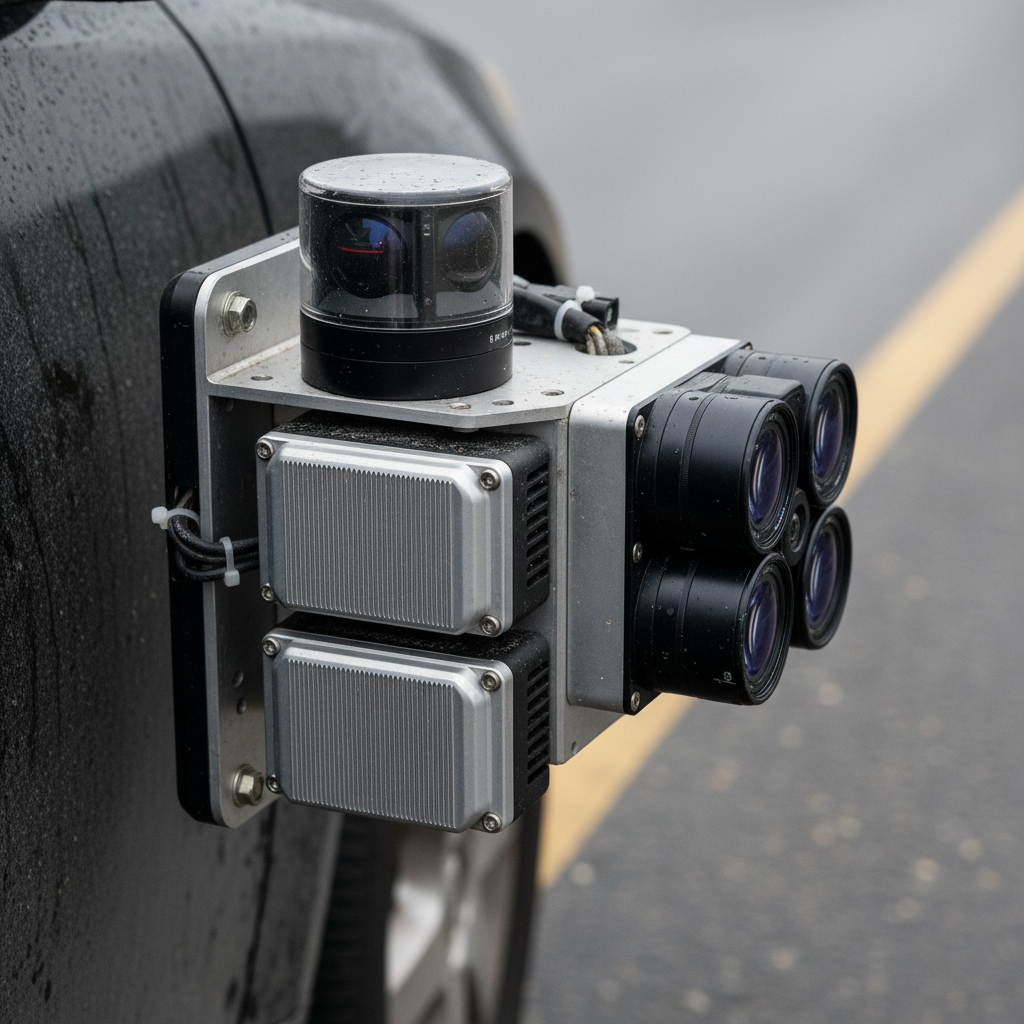
Whenever a sensor is replaced or adjusted, a digital ADAS calibration is necessary. Sensors are integral to ADAS, providing the data needed for features like automatic braking and lane-keeping assistance.
Calibration ensures that these sensors are accurately aligned and functioning correctly, maintaining the reliability of your vehicle's safety features.
5. Alerts and Inaccuracies
If your vehicle's ADAS gives frequent alerts or seems inaccurate, it could be a sign that calibration is needed. For instance, if your lane-keeping assist is activating when you are perfectly within your lane, or if your collision warning system triggers unexpectedly, it’s time for a check-up.
Proper calibration can prevent these false alerts and ensure that your ADAS works seamlessly, enhancing both safety and driving comfort.
Regular maintenance and timely calibration of your vehicle’s ADAS are crucial for safety and performance. If you notice any of these signs, don’t hesitate to consult a professional technician to ensure your vehicle remains in top condition.