A Guide to Digital ADAS Calibration: Ensuring Accuracy and Safety
Understanding ADAS and Its Importance
Advanced Driver Assistance Systems (ADAS) have become a cornerstone of modern vehicle safety. These systems utilize cameras, sensors, and radar technology to assist drivers in making informed decisions, reducing the risk of accidents. As vehicles become more technologically advanced, ensuring the accuracy of these systems is critical for maintaining safety on the road.
What is Digital ADAS Calibration?
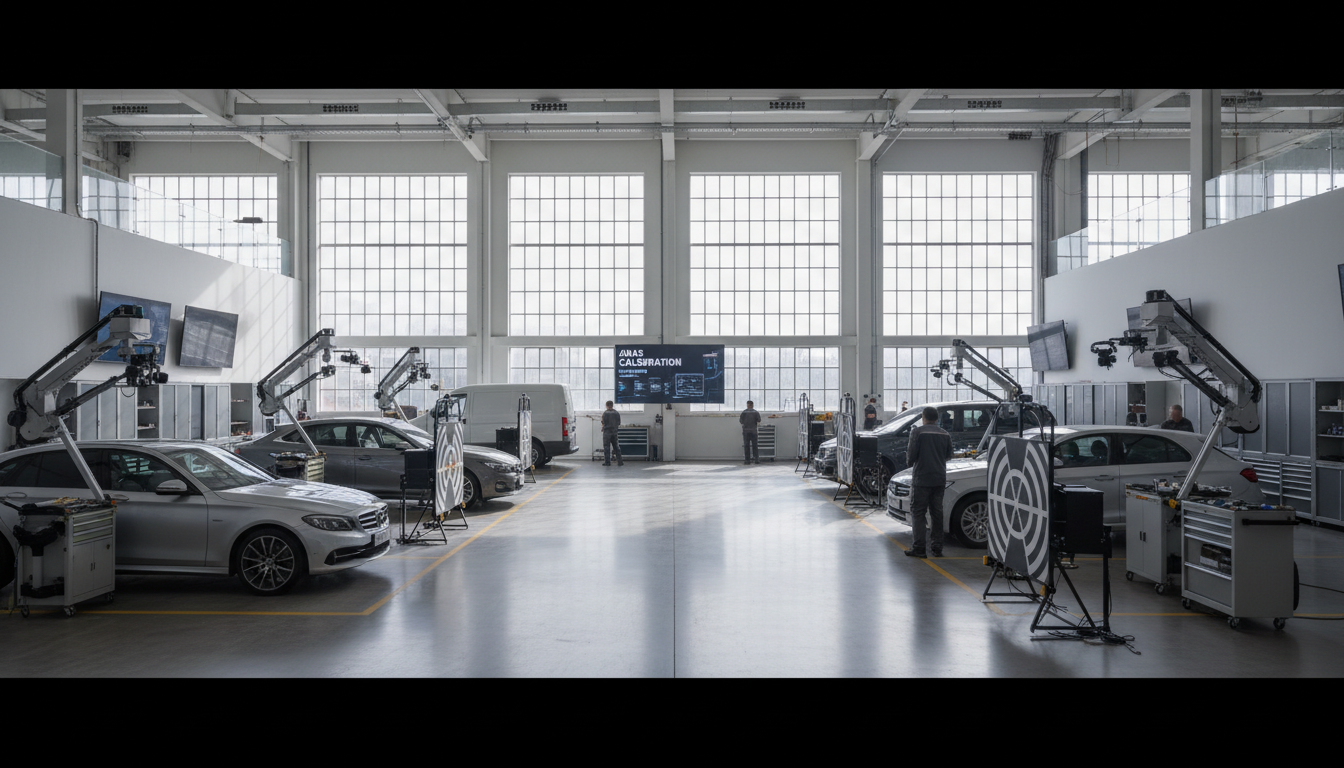
Digital ADAS calibration involves adjusting and testing the sensors and cameras used in these systems to ensure they function correctly. Calibration is necessary after certain events, such as windshield replacement, collision repair, or even routine maintenance. Accurate calibration is crucial, as even minor discrepancies can lead to significant safety risks.
Types of Calibration
There are generally two types of ADAS calibration: static and dynamic. Static calibration is performed in a controlled environment using specialized equipment, while dynamic calibration requires driving the vehicle under specific conditions to allow the system to recalibrate itself.
Steps to Ensure Accurate Calibration
Ensuring accurate calibration involves several key steps:
- Identify the specific ADAS features present in the vehicle.
- Use manufacturer guidelines and equipment for calibration.
- Perform both static and dynamic calibrations as required.
- Verify system accuracy through testing and diagnostics.
Common Challenges in ADAS Calibration
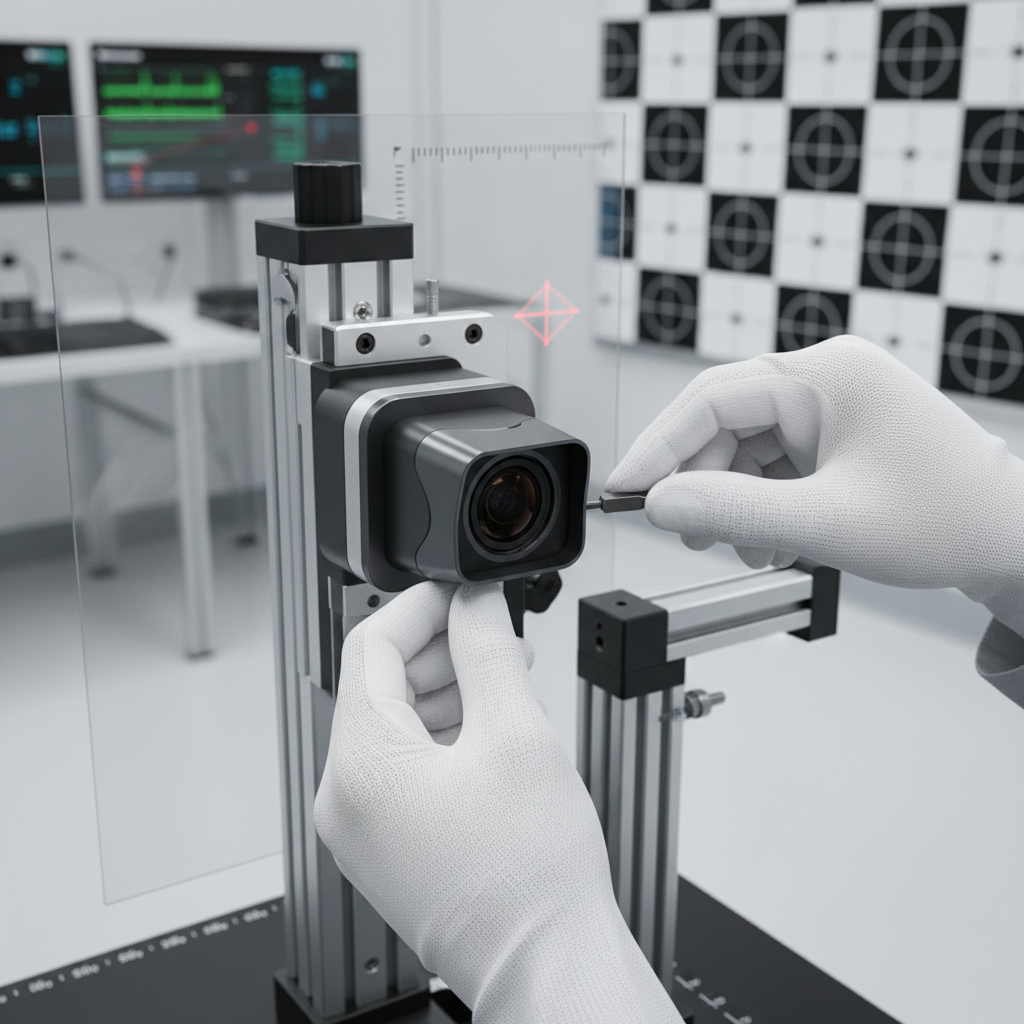
Calibration can be a complex process due to the diversity of systems across different vehicle models. Technicians must stay updated with the latest technologies and manufacturer updates. Additionally, environmental factors such as lighting and space availability can impact the calibration process.
The Role of Technology in Calibration
Technology plays a pivotal role in simplifying and enhancing the calibration process. Advanced software can assist technicians by providing real-time data and diagnostic tools. These technologies help in achieving precise calibration, reducing the margin for error.

Ensuring Safety Through Regular Maintenance
Regular maintenance and inspection of ADAS are vital to ensure ongoing safety and accuracy. Vehicle owners should schedule routine checks, especially if they notice any issues such as warning lights or irregular system behavior. Staying proactive can prevent potential malfunctions and enhance overall vehicle safety.
Conclusion: The Future of ADAS Calibration
The future of digital ADAS calibration looks promising, with continuous advancements in technology paving the way for more efficient and accurate processes. As the automotive industry evolves, staying informed and adopting the latest calibration techniques will be essential for ensuring safety and reliability on the road.