Case Study: How Proper Alignment Solved a Persistent Steering Issue
Understanding the Steering Issue
For many drivers, a persistent steering issue can be a source of constant frustration. When a car doesn't steer straight or requires constant correction, it not only affects the driving experience but can also be a safety concern. In this case study, we explore how proper alignment resolved a long-standing steering problem for one of our clients.
Our client, Jane, had been experiencing steering issues with her sedan for several months. Despite multiple visits to various mechanics, the problem persisted, leading to uneven tire wear and increased fuel consumption.

Initial Inspection and Diagnosis
Our team began with a thorough inspection of Jane's vehicle. The first step was to check for any obvious mechanical issues such as worn-out suspension components or damaged tires. After ruling out these factors, we decided to focus on the car's alignment.
During our assessment, we discovered that the car's wheels were misaligned. This misalignment was subtle yet significant enough to impact the vehicle's handling and steering performance. Proper alignment is crucial for ensuring that all wheels are pointing in the same direction, allowing for smooth and controlled driving.

Addressing the Alignment
Once the diagnosis was complete, we proceeded with a detailed alignment process. Our technicians used state-of-the-art equipment to adjust the angles of the wheels, ensuring they met the manufacturer's specifications. The process involved:
- Adjusting the camber, caster, and toe angles.
- Ensuring the steering wheel was centered.
- Verifying that the alignment was within the tolerances specified by the vehicle manufacturer.
With these adjustments, we aimed to restore the vehicle’s optimal handling characteristics and eliminate the steering issue.
Results and Improvements
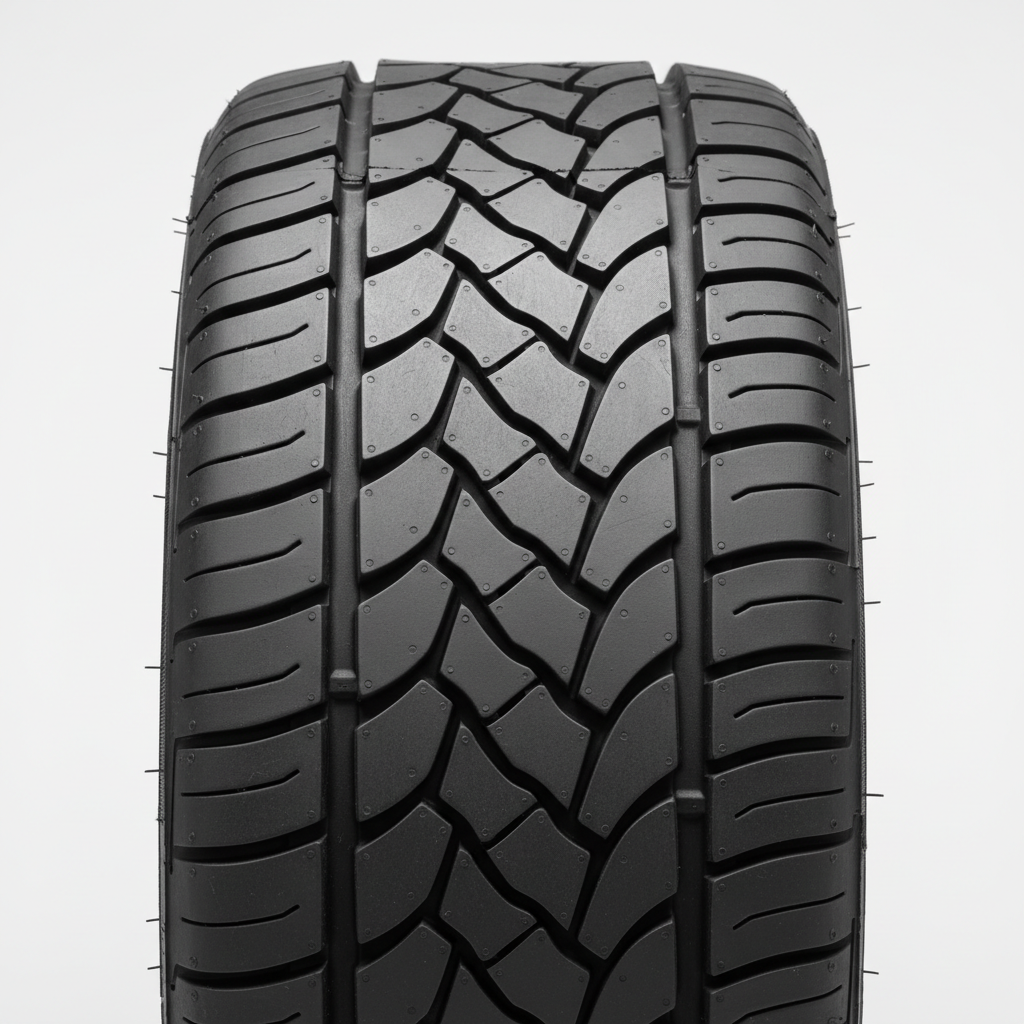
After completing the alignment, Jane immediately noticed a significant improvement in her car's steering. The vehicle tracked straight without the need for constant correction, and the overall driving experience was much smoother. Additionally, the alignment helped reduce the uneven tire wear, potentially extending the life of her tires.
The improved alignment also contributed to better fuel efficiency, as the car no longer had to work as hard to maintain a straight path. This was a welcome benefit for Jane, who had been experiencing increased fuel costs due to the misalignment.
Lessons Learned
This case study highlights the importance of regular vehicle maintenance and the impact that proper alignment can have on a car's performance. Drivers should be aware of the signs of misalignment, such as uneven tire wear, a crooked steering wheel, or the vehicle pulling to one side.
By addressing alignment issues promptly, drivers can enhance their vehicle's handling, extend the life of their tires, and improve fuel efficiency. Regular maintenance checks are essential to catch these issues early and prevent them from escalating into more significant problems.
Conclusion
Proper alignment is a critical component of vehicle maintenance that can resolve persistent steering issues and enhance overall driving safety and comfort. This case study serves as a reminder for drivers to pay attention to their vehicle's handling and seek professional help when needed. With regular maintenance and timely interventions, drivers can keep their vehicles running smoothly and efficiently.