Common Misconceptions About ADAS Calibration
Understanding ADAS Calibration
Advanced Driver Assistance Systems (ADAS) are becoming increasingly common in modern vehicles, offering features like lane departure warnings, adaptive cruise control, and automated emergency braking. However, there's a lot of confusion surrounding the calibration of these systems. Proper calibration is crucial for ensuring their optimal performance and safety.

Misconception 1: Calibration Is Only Needed After Major Repairs
A common misconception is that ADAS calibration is only necessary after significant repairs or replacement of major components. In reality, even minor incidents or routine maintenance can affect the alignment of sensors and cameras. For instance, something as simple as a wheel alignment can necessitate recalibration. Ensuring that the system functions correctly requires attention to detail in various situations.
Misconception 2: All Calibration Methods Are the Same
Not all calibrations are created equal. There are two primary types: static and dynamic. Static calibration involves a stationary vehicle and specialized equipment, while dynamic calibration requires driving the vehicle under specific conditions. The correct method depends on the vehicle's make and model, underscoring the importance of specialized knowledge in this field.
Misconception 3: DIY Calibration Is Feasible
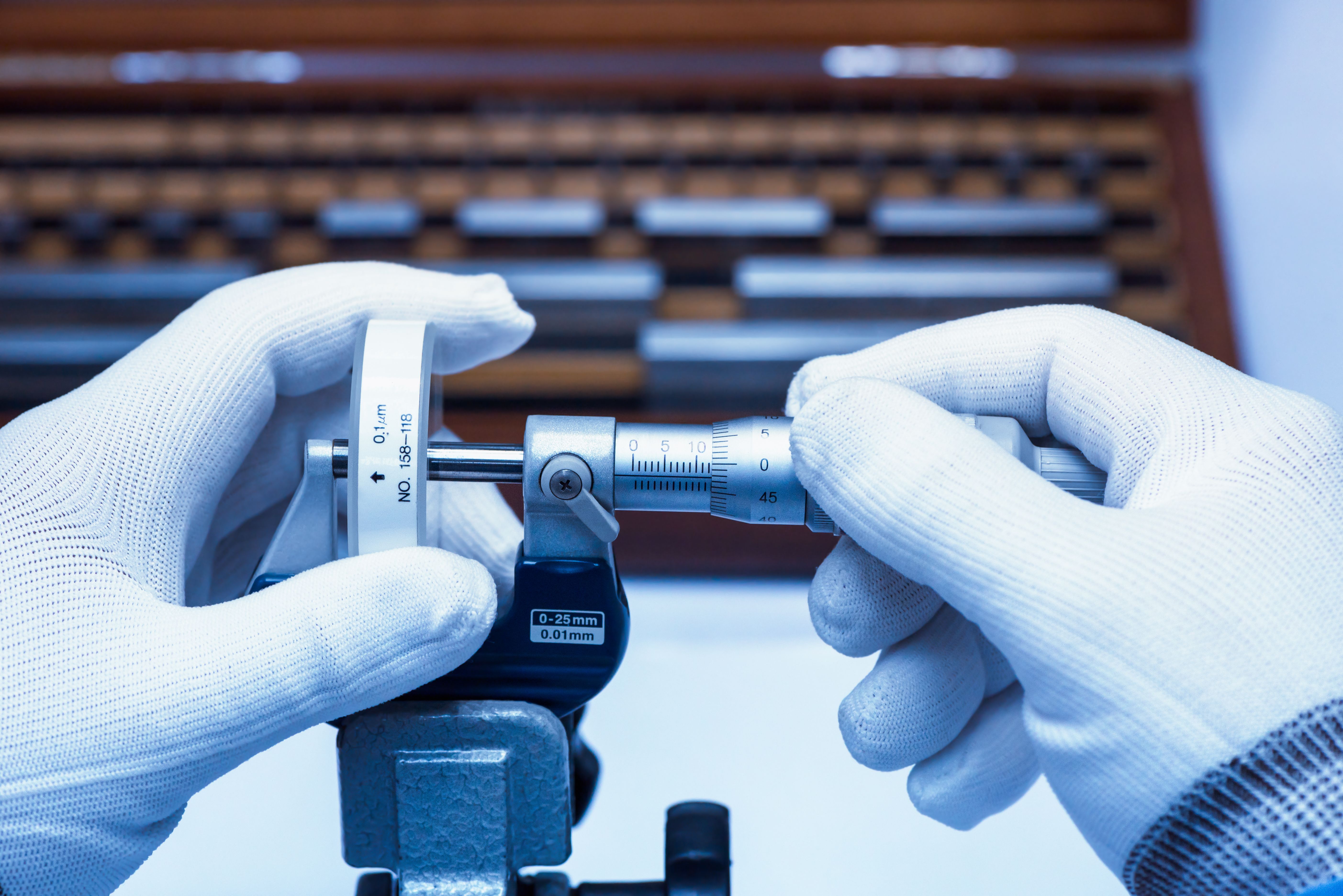
Some drivers believe they can perform ADAS calibration themselves with basic tools and equipment. However, this process requires specialized tools and expertise. The calibration process is complex and precise, and incorrect calibration can lead to system failure, potentially compromising safety.
Professional calibration ensures that all sensors and cameras are aligned correctly, maintaining the integrity of the ADAS features.
Misconception 4: Calibration Is a One-Time Process
Many people assume that once ADAS calibration is complete, it's set for life. However, calibration is an ongoing requirement. Factors such as road conditions, vehicle usage, and even seasonal changes can impact the sensors' alignment, necessitating periodic recalibration.

The Importance of Regular Maintenance
Regular maintenance checks are essential for keeping ADAS systems functioning correctly. During these checks, professionals can identify potential issues and address them before they become significant problems. This proactive approach not only ensures safety but also enhances the longevity of the vehicle's systems.
By understanding these common misconceptions, vehicle owners can better appreciate the importance of correct and regular ADAS calibration. Proper calibration plays a crucial role in maintaining the safety and efficiency of advanced driver assistance systems.