Common Misconceptions About Wheel Alignment and How We Debunk Them
Misconception: Wheel Alignment Is Only Necessary When You Notice a Problem
One common misconception is that wheel alignment is only needed when you experience noticeable issues like uneven tire wear or steering problems. However, regular alignment checks are essential for maintaining vehicle performance and safety. Routine alignment can prevent these issues before they start, ensuring your car runs smoothly and efficiently.
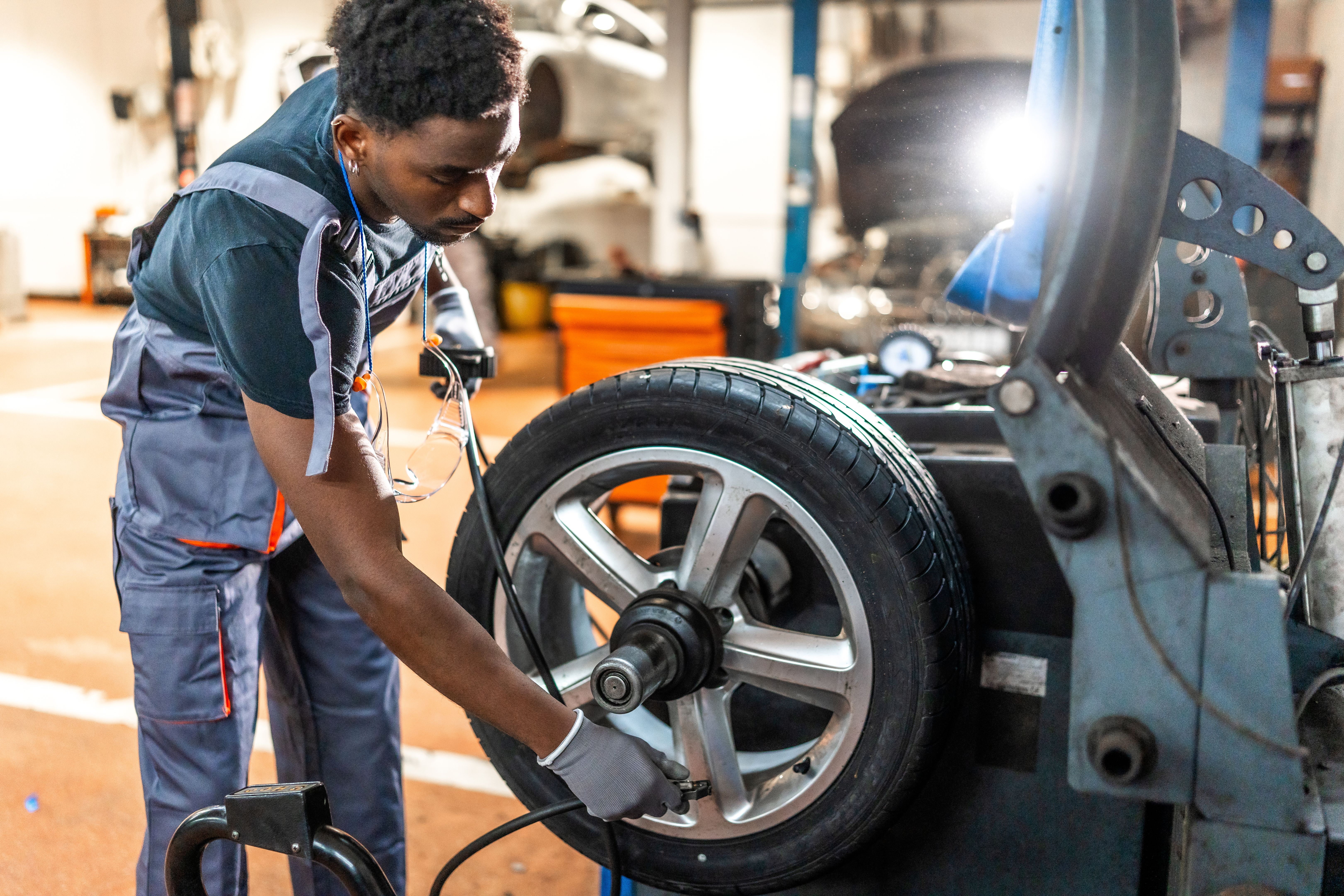
Misconception: Alignment Only Affects Tires
While it's true that improper alignment can lead to uneven tire wear, it also affects other aspects of your vehicle. Misalignment can impact steering, suspension, and even fuel efficiency. Proper alignment ensures that all components work harmoniously, optimizing your vehicle's overall performance.
Impact on Steering and Suspension
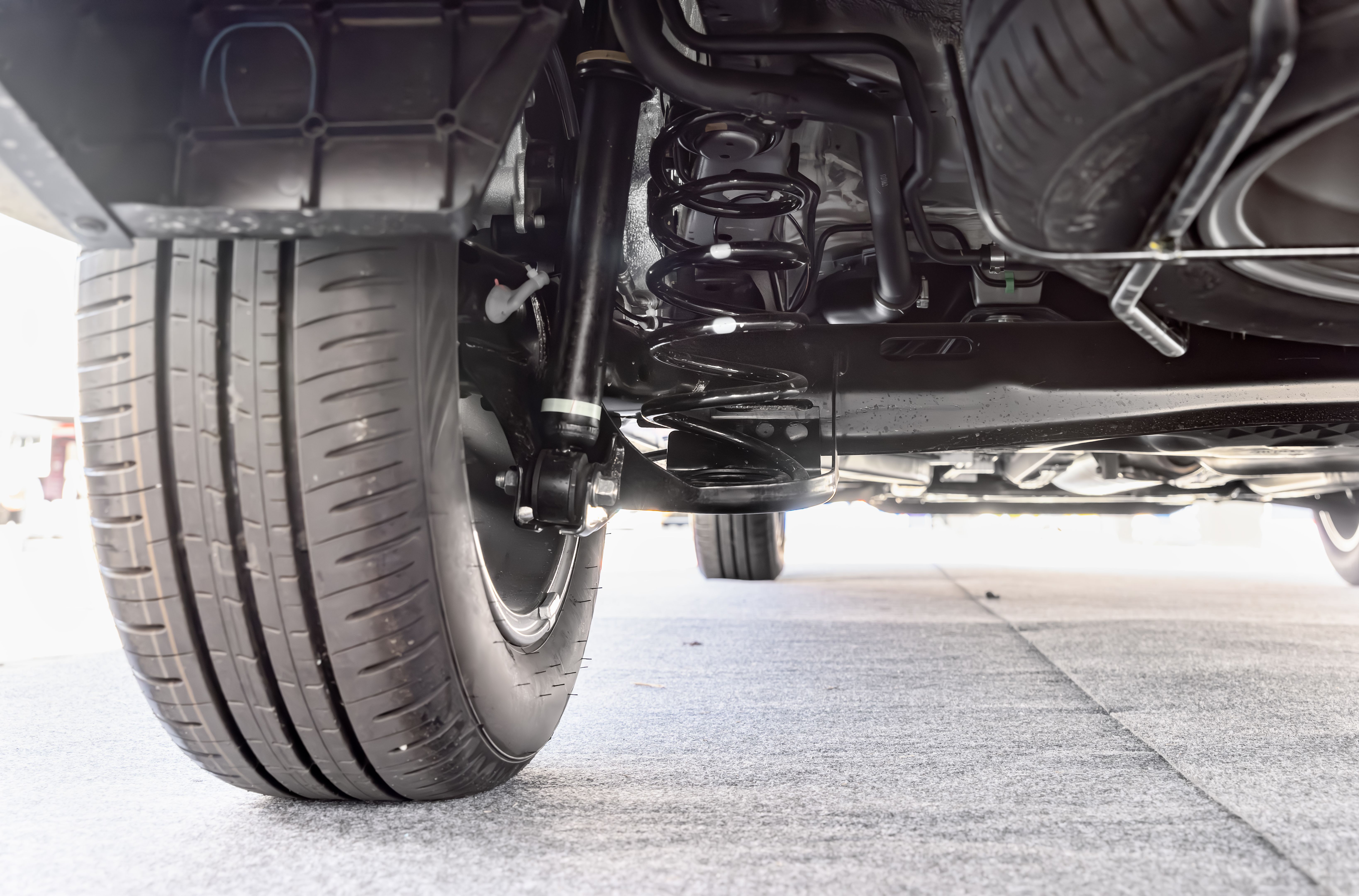
When your wheels are misaligned, your steering may pull to one side, making it difficult to maintain control. This can lead to unnecessary strain on your suspension system, potentially causing costly repairs. Regular alignment checks help keep these systems in top condition.
Misconception: Alignment Is a DIY Job
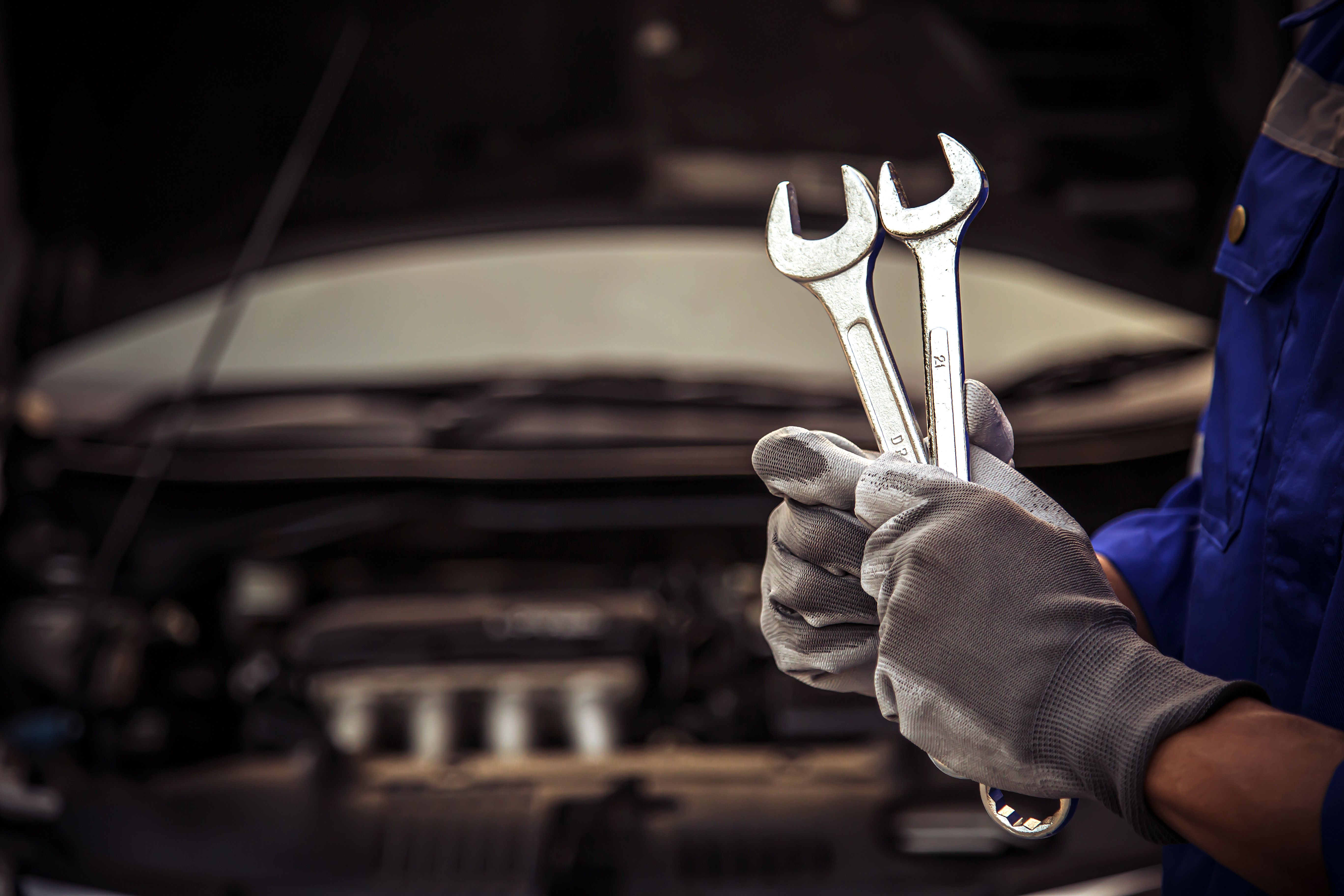
Some car owners believe that wheel alignment is a simple task they can handle themselves. However, precise alignment requires specialized equipment and expertise. Professional technicians use advanced tools to measure and adjust your vehicle's alignment accurately, ensuring optimal performance.
The Importance of Professional Expertise
Attempting a DIY alignment without the right tools and knowledge can lead to further complications. Professionals are trained to identify subtle issues that may not be apparent to the untrained eye, providing a comprehensive solution that enhances your vehicle's longevity.

Misconception: Alignment Is a One-Time Fix
Some drivers assume that once their vehicle is aligned, they won't need another alignment for a long time. In reality, factors like road conditions, driving habits, and even minor accidents can affect alignment over time. Regular checks are crucial to maintaining proper alignment.
Frequency of Alignment Checks
It's generally recommended to have your alignment checked annually or every 10,000 miles. However, it's wise to consult your vehicle's manual or a trusted mechanic for specific recommendations tailored to your driving conditions and habits.
Misconception: Alignment and Balancing Are the Same
Many people confuse wheel alignment with wheel balancing, but they are distinct processes. Alignment adjusts the angles of the wheels to ensure they are parallel and perpendicular to the ground, while balancing ensures that the weight of the wheel and tire is evenly distributed.
Why Both Are Important
Both alignment and balancing are crucial for a smooth ride and long tire life. Proper alignment prevents uneven tire wear, whereas balancing prevents vibrations caused by an uneven weight distribution. Together, they contribute to a safe and comfortable driving experience.