Common Misconceptions About Wheel Alignment Debunked
Understanding Wheel Alignment
Wheel alignment is a crucial aspect of vehicle maintenance that often gets overlooked. It's not just about adjusting the wheels; it involves fine-tuning the angles of the wheels to the manufacturer's specifications, ensuring optimal performance and safety. Proper alignment can improve handling and increase tire lifespan.
Many drivers underestimate the importance of regular alignment checks, leading to common misconceptions. Let's explore and debunk some of these myths to help you maintain a safer, more efficient vehicle.
Misconception 1: Alignment is Only Needed After an Accident
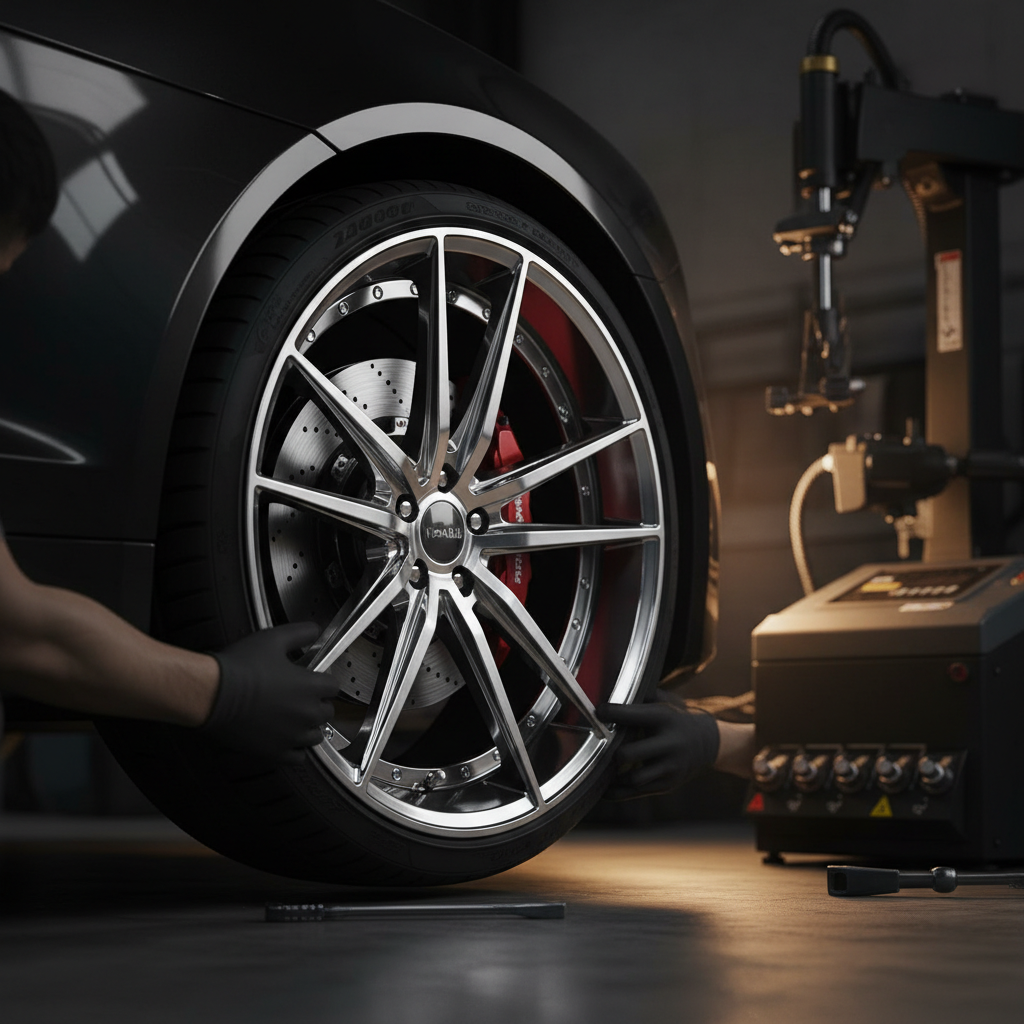
One of the most widespread misconceptions is that wheel alignment is only necessary after a collision. While accidents can indeed affect alignment, everyday driving hazards like potholes, curbs, and regular wear and tear can also cause misalignment.
Ignoring these minor impacts can lead to uneven tire wear and poor handling. It's wise to get your alignment checked regularly, regardless of accidents, to keep your vehicle running smoothly.
Misconception 2: New Cars Don’t Need Alignment
Many people believe that new cars come perfectly aligned from the factory and do not require any checks. However, even brand-new cars can suffer from alignment issues due to transportation from the factory or adjustments made during the setup at the dealership.
It's a good idea to have your alignment checked soon after purchasing a new vehicle to ensure everything is set correctly from the start.
Misconception 3: Alignment Fixes Vibration Issues
While misalignment can cause vibration, it's not always the solution to this problem. Vibrations can stem from other issues such as unbalanced tires or suspension problems. If you notice vibrations while driving, it's essential to have a thorough inspection rather than assuming an alignment will fix the issue.
By addressing the root cause of the vibration, you can ensure a smoother ride and prevent further damage to your vehicle.
Signs Your Car Needs Alignment
Recognizing when your car needs an alignment is crucial for maintaining its health. Here are some indicators:
- Your car pulls to one side when driving straight.
- The steering wheel is off-center when driving straight.
- Uneven or rapid tire wear.
Keeping an eye out for these signs can help you catch alignment issues early, saving you time and money in the long run.
The Benefits of Regular Alignment
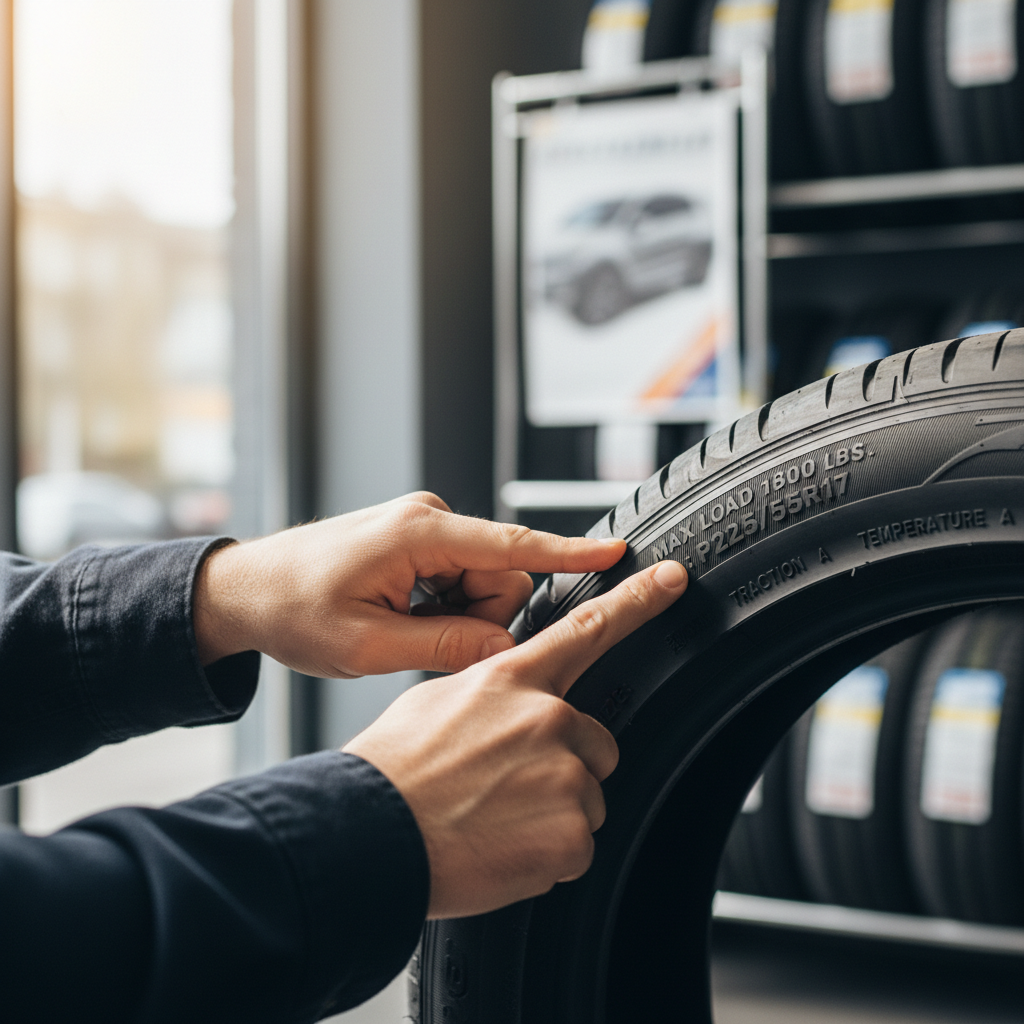
Regular wheel alignment offers several benefits that extend beyond just tire longevity. These include better fuel efficiency, improved handling, and a more comfortable ride. By ensuring your wheels are properly aligned, you contribute to the overall performance of your vehicle.
Moreover, consistent alignment checks can prevent more significant issues down the road, such as suspension damage, which can be costly to repair.
Final Thoughts
Understanding the truth about wheel alignment can make a significant difference in your driving experience. By dispelling these common misconceptions, you can take proactive steps to ensure your vehicle is in top condition.
Remember, consulting with a professional mechanic and scheduling regular alignment checks can keep your car safe, efficient, and enjoyable to drive.