Debunking Wheel Alignment Myths: What Every Driver Should Know
Understanding Wheel Alignment
Wheel alignment is a crucial aspect of vehicle maintenance that often gets overlooked. It's essential for ensuring your car handles correctly and that your tires wear evenly. Yet, there are numerous myths surrounding this topic, leading to confusion among drivers. Let's debunk some of these myths and provide clarity on what every driver should know.
Myth 1: Wheel Alignment and Wheel Balancing Are the Same
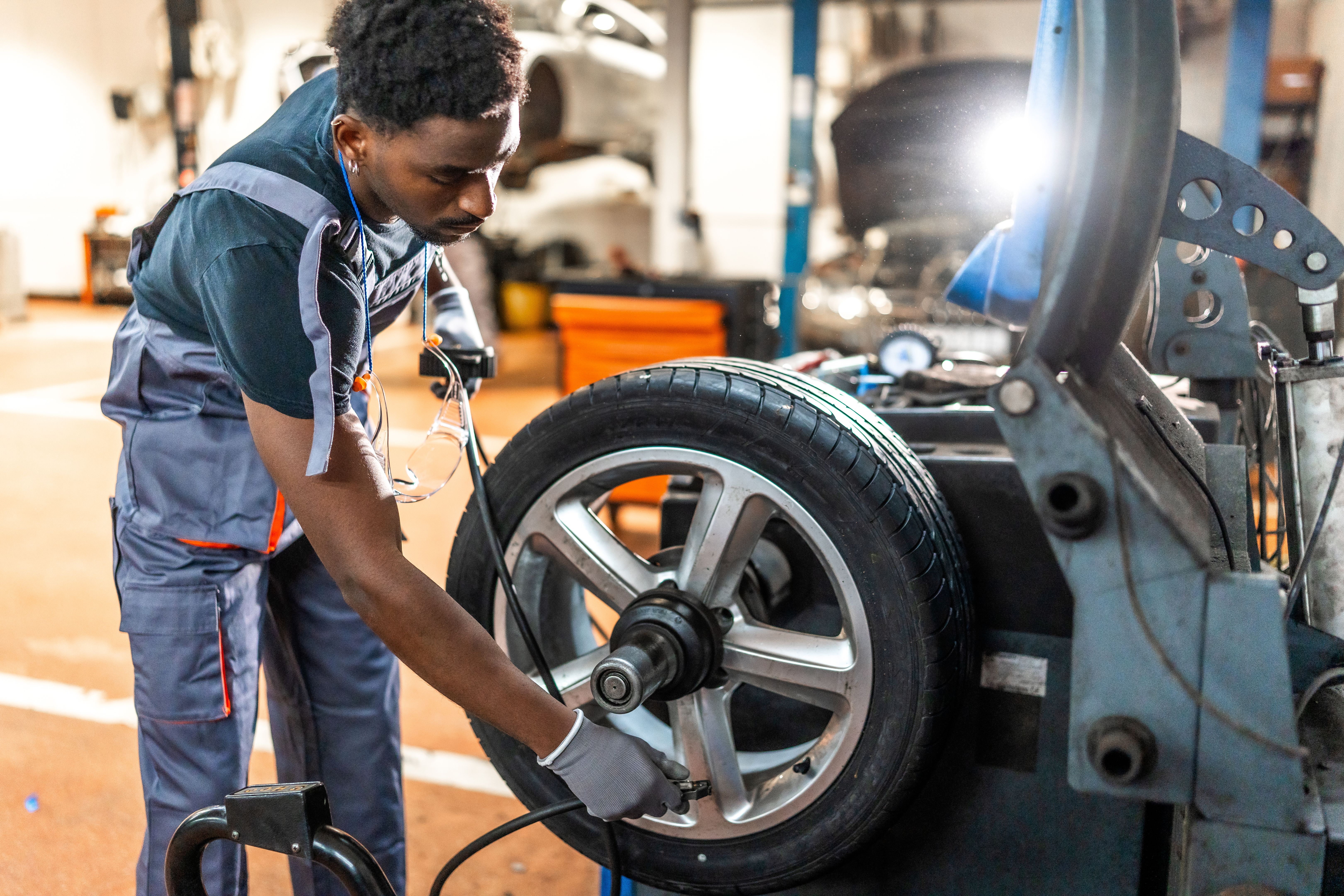
A common misconception is that wheel alignment and wheel balancing are identical. While both processes involve your wheels, they serve different purposes. Wheel alignment involves adjusting the angles of the wheels to the car manufacturer's specifications, ensuring that the vehicle drives straight. On the other hand, wheel balancing corrects the weight distribution around the wheels to prevent vibrations at high speeds.
Myth 2: You Only Need Alignment If You Hit Something
Many drivers believe that wheel alignment is only necessary after hitting a curb or pothole. However, regular driving can gradually affect alignment. Factors like uneven road surfaces, suspension wear, and even changes in vehicle load can impact alignment over time. Routine checks are essential for maintaining optimal performance and safety.
Myth 3: New Cars Don't Need Alignment
There's a belief that new cars come perfectly aligned from the factory and will remain that way indefinitely. While it's true that new vehicles are aligned before leaving the factory, alignment can shift during transportation or with initial use. It's wise to have your alignment checked as part of your initial vehicle service to ensure everything is set correctly.
Signs Your Car May Need Alignment
Recognizing when your car needs alignment is crucial for maintaining safety and performance. Look for these signs:
- Your car drifts to one side when driving straight.
- The steering wheel is off-center when driving straight.
- Uneven or rapid tire wear.
- Vibrations or noise from the tires.

Benefits of Proper Wheel Alignment
Proper wheel alignment offers several benefits, including improved fuel efficiency, extended tire life, and enhanced driving comfort. By ensuring your wheels are properly aligned, you can save money on fuel and tire replacements while enjoying a smoother ride.
Conclusion
Understanding the truth about wheel alignment is essential for every driver. By debunking these myths, you can make informed decisions about your vehicle's maintenance. Regular alignment checks are a small investment with significant returns in terms of safety and performance.