Front Radar Calibration: Ensuring Safety with Precision
Understanding Front Radar Calibration
In the realm of modern automotive technology, **front radar calibration** plays a crucial role in ensuring the safety and functionality of advanced driver-assistance systems (ADAS). These systems rely on precise data to perform tasks such as adaptive cruise control and collision avoidance. Without accurate calibration, the effectiveness of these safety features can be significantly compromised.
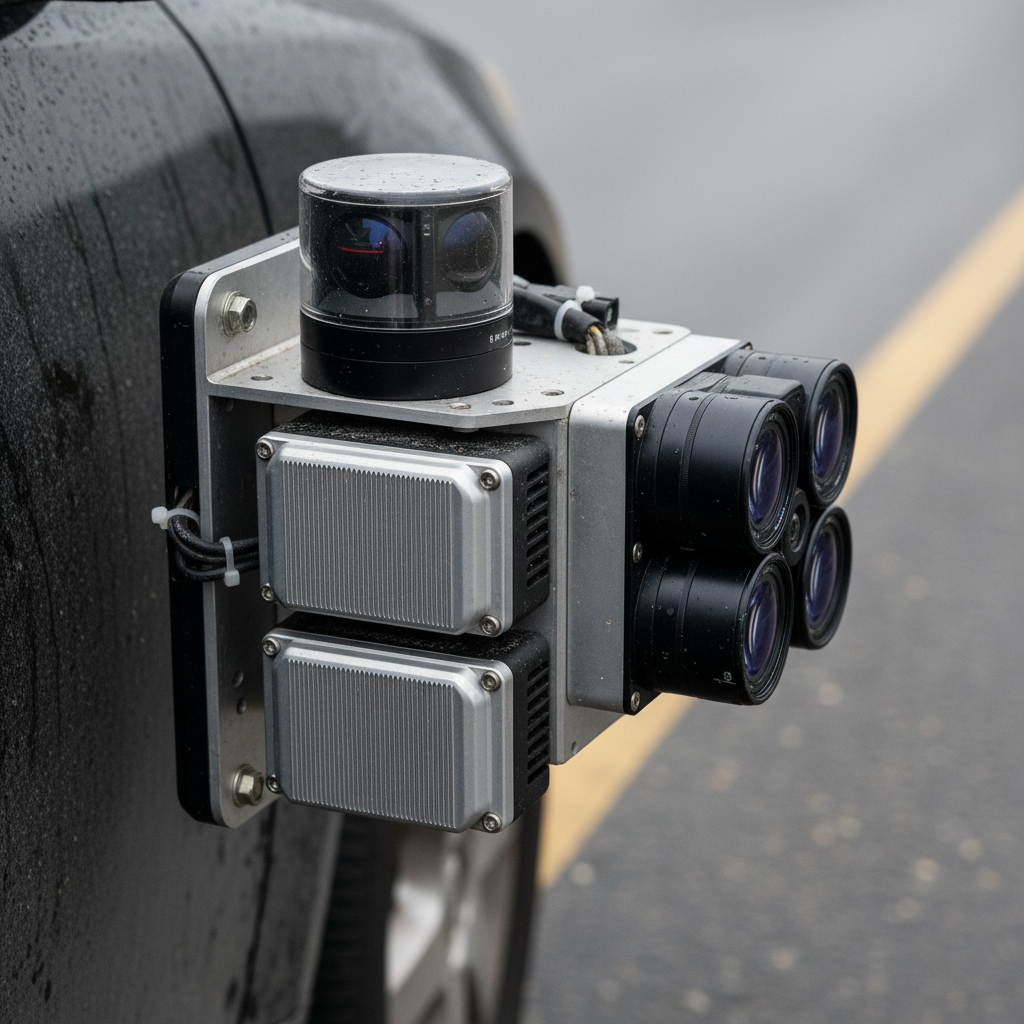
Front radar calibration involves adjusting the radar sensors located at the front of the vehicle. These sensors are responsible for detecting the distance and speed of objects ahead, providing critical data to the vehicle’s onboard systems. Proper calibration ensures that the radar accurately interprets this information, thereby ensuring optimal performance.
Why Calibration is Important
Calibration is essential for maintaining the integrity of the vehicle’s safety systems. Over time, factors such as minor collisions, road vibrations, and even routine maintenance can affect the positioning of radar sensors. This misalignment can lead to inaccurate readings, which may result in the malfunction of safety features.
For instance, a miscalibrated radar may fail to detect an obstacle in the vehicle’s path, increasing the risk of an accident. Conversely, it might also trigger unnecessary alerts, leading to driver frustration. Therefore, regular calibration checks are vital for ensuring that these systems function as intended.
Common Causes of Misalignment
Several factors can lead to the misalignment of front radar sensors. Some of the most common causes include:
- Minor accidents or fender benders
- Improper installation of new parts
- Significant changes in vehicle load
- Replacement of windshield or bumper
The Calibration Process
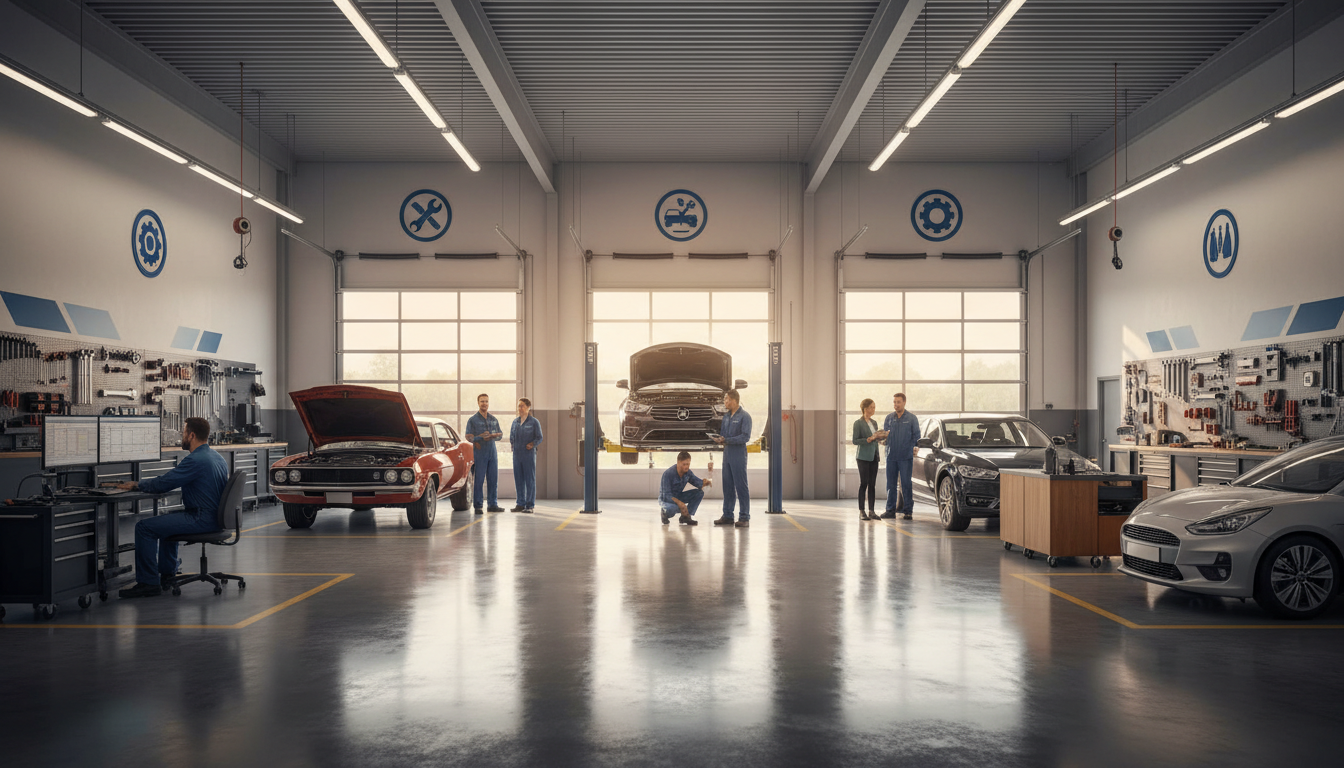
The process of calibrating front radar sensors involves several steps to ensure accuracy. Initially, technicians perform a thorough inspection to identify any potential issues. This is followed by the use of specialized equipment to measure the alignment and positioning of the sensors.
Once the sensors are properly aligned, technicians conduct a series of tests to verify that the radar is functioning correctly. These tests often include real-world simulations to ensure that the radar responds accurately to various driving conditions.
When to Seek Calibration
Vehicle owners should consider seeking calibration services in the following scenarios:
- After an accident or collision
- Following the replacement of radar-sensitive parts
- During routine maintenance checks
Choosing the Right Service Provider
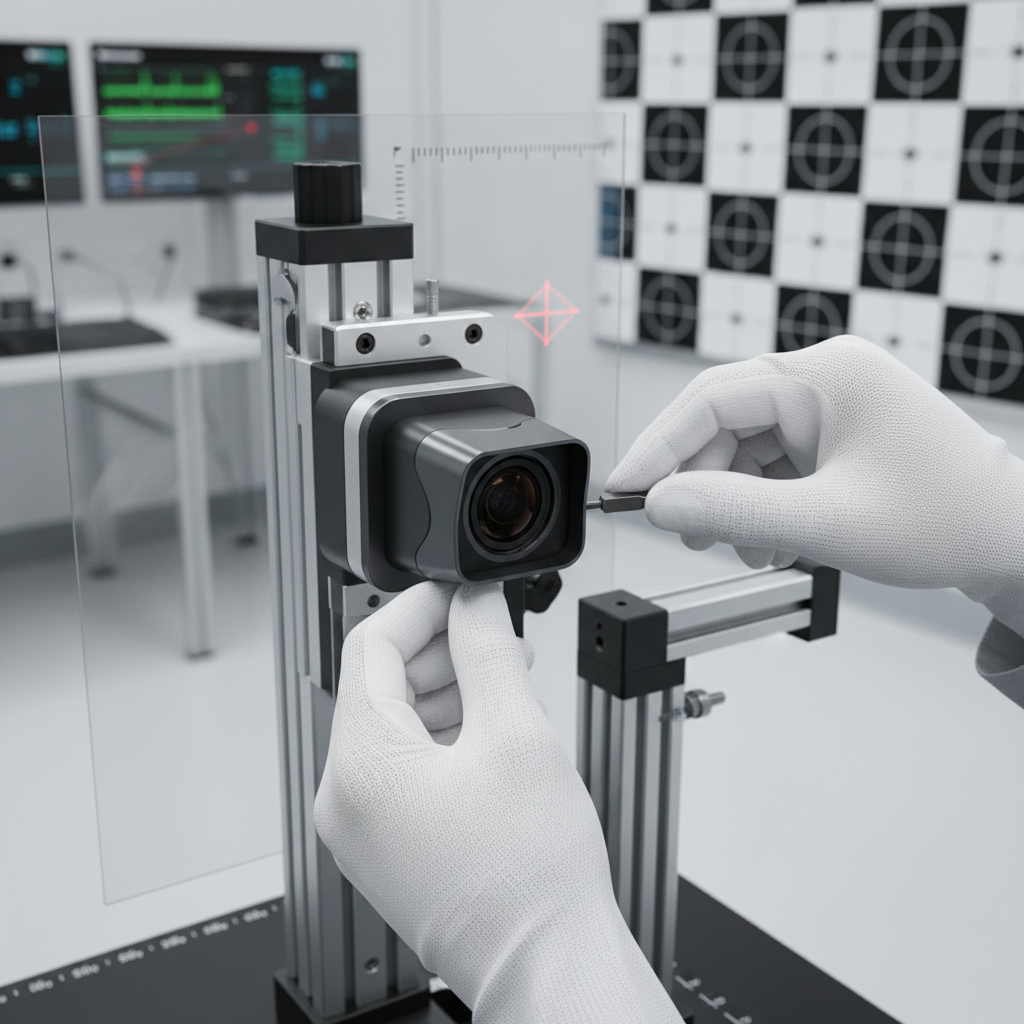
When it comes to front radar calibration, choosing a reputable service provider is crucial. Look for providers with certified technicians who have experience with your specific vehicle make and model. Additionally, ensure that they use the latest calibration equipment and techniques.
Proper calibration not only enhances vehicle safety but also extends the longevity of the ADAS systems. By investing in regular calibration checks, you can drive with confidence knowing that your vehicle’s safety features are functioning at their best.