How ADAS Calibration Enhances Vehicle Safety: A Comprehensive Guide
Advanced Driver Assistance Systems (ADAS) have become a cornerstone of modern vehicle safety, offering features that significantly reduce the risk of accidents. However, the effectiveness of these systems heavily depends on precise calibration. This comprehensive guide explores how ADAS calibration enhances vehicle safety and why it's essential for optimal performance.
Understanding ADAS and Its Importance
ADAS encompasses a range of electronic systems designed to assist drivers in various driving scenarios. These systems include lane departure warnings, adaptive cruise control, automatic emergency braking, and more. By providing real-time alerts and interventions, ADAS plays a crucial role in preventing accidents and safeguarding passengers.

The Role of Calibration in ADAS
Calibration ensures that all ADAS components are accurately aligned and functioning correctly. Since these systems rely on cameras, sensors, and radars, even a minor misalignment can lead to significant errors, compromising safety. Regular calibration is essential to maintain the precision and reliability of these technologies.
Calibration typically involves aligning sensors and cameras to the vehicle's specific dimensions and characteristics. This process ensures that the data collected is accurate, allowing the ADAS to perform optimally. Without proper calibration, systems might fail to detect obstacles or provide false alerts, leading to dangerous situations.
When Is ADAS Calibration Needed?
Various situations necessitate ADAS calibration. Common instances include:
- After a collision or accident
- When replacing or repairing windshields
- Following a wheel alignment
- After changing the suspension

These scenarios can alter the position of sensors and cameras, making recalibration crucial to restore safety features to their original functionality.
Benefits of Proper ADAS Calibration
Properly calibrated ADAS offers numerous benefits:
- Enhanced Accuracy: Accurate sensor readings ensure reliable system performance.
- Improved Safety: Correctly functioning systems can effectively prevent accidents.
- Increased Vehicle Lifespan: Reduces wear and tear on vehicle components by optimizing system efficiency.
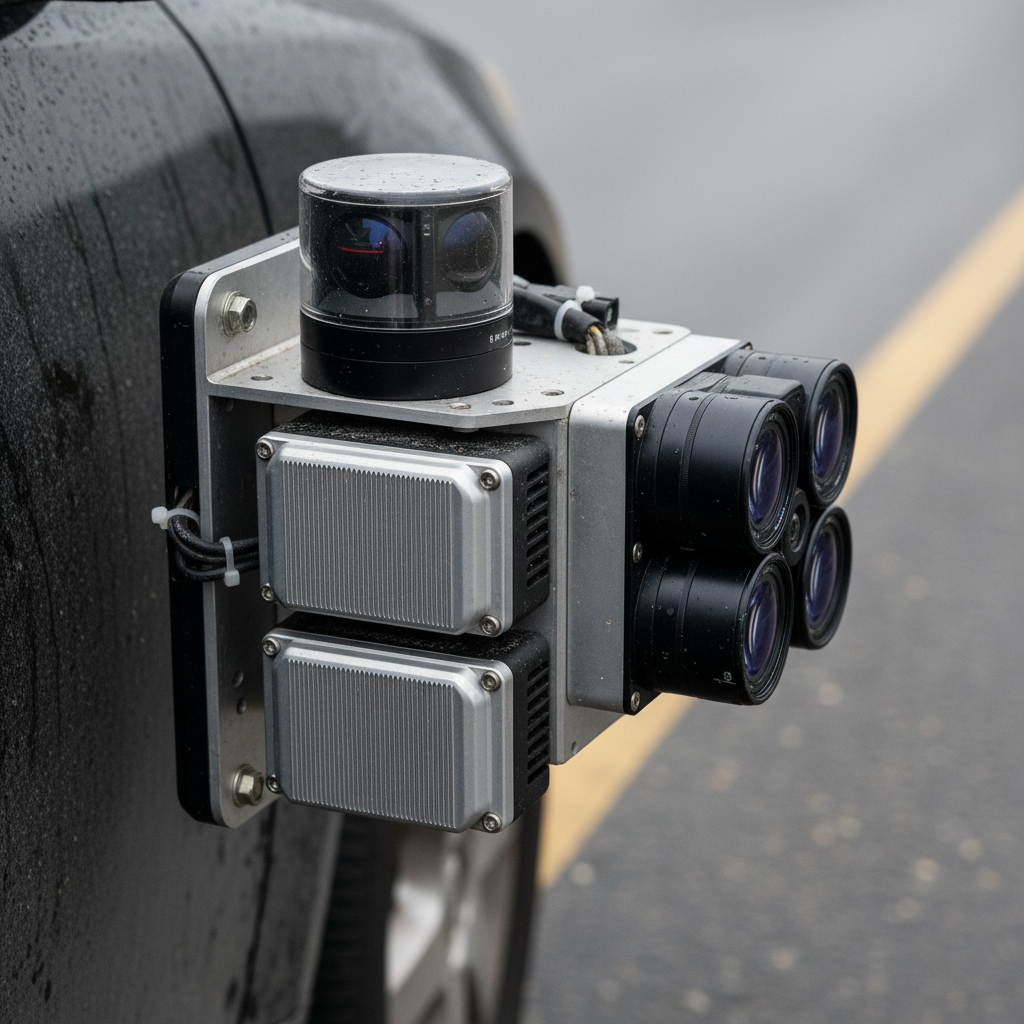
Regular calibration not only enhances safety but also contributes to a longer lifespan for the vehicle, ensuring that all systems work harmoniously.
Choosing the Right Calibration Service
When seeking ADAS calibration services, it’s important to choose a reputable provider with experience in handling advanced vehicle technologies. Look for technicians certified in ADAS calibration, as they have the expertise and tools necessary to perform precise adjustments.
Ensuring that your vehicle’s ADAS is properly calibrated can make a significant difference in safety and performance, providing peace of mind on every journey.