How Digital ADAS Calibration Enhances Road Safety
Understanding ADAS and Its Importance
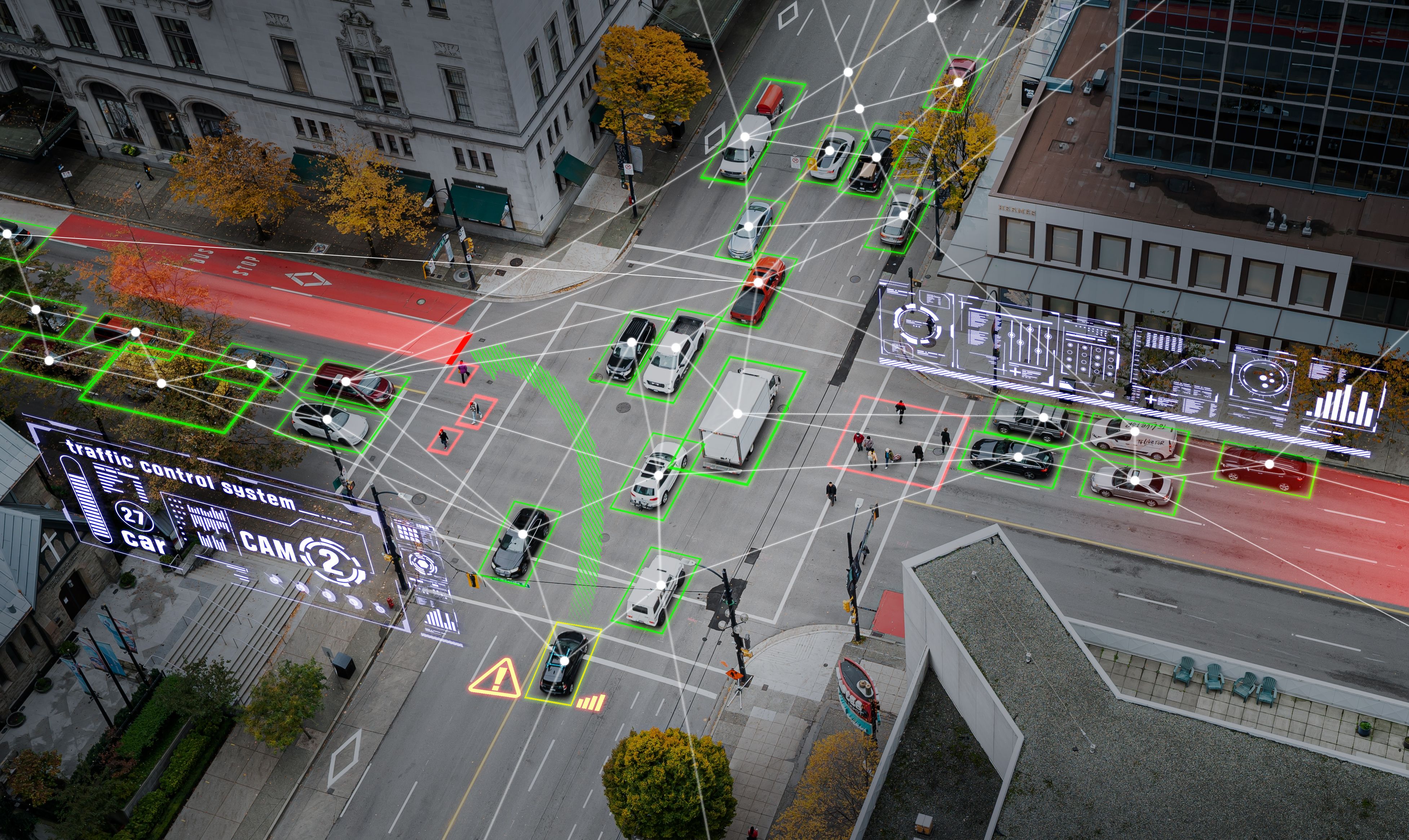
Advanced Driver Assistance Systems (ADAS) are integrated technologies in modern vehicles designed to enhance road safety and improve driving experiences. These systems use sensors, cameras, and radar to monitor vehicle surroundings and provide real-time feedback to drivers. Features like adaptive cruise control, lane departure warning, and automatic emergency braking are just a few examples of ADAS in action.
The effectiveness of ADAS heavily relies on precise calibration. Without accurate calibration, the data these systems provide can be misleading, potentially leading to unsafe driving conditions. This is where digital ADAS calibration plays a crucial role.

The Role of Digital Calibration
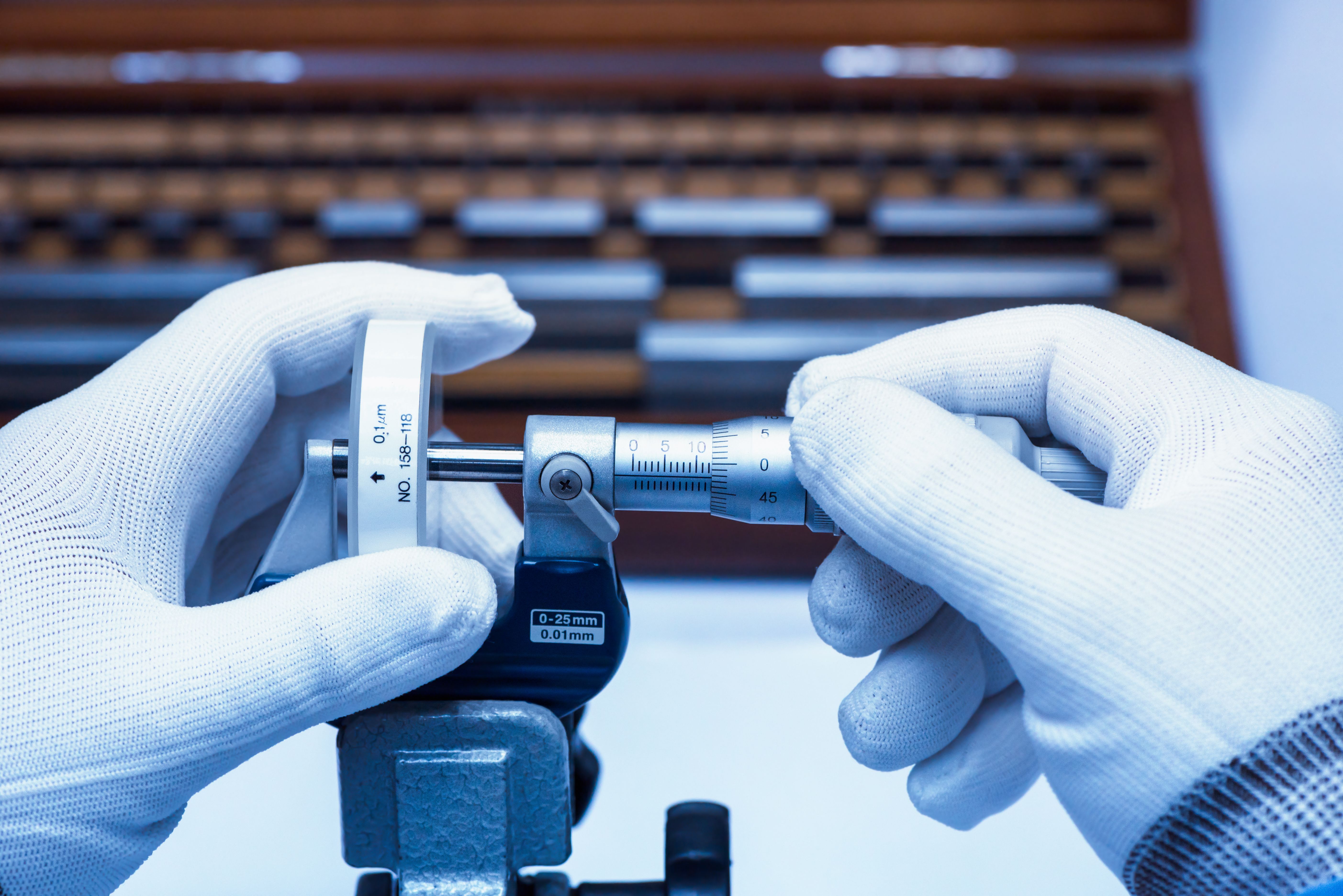
Digital ADAS calibration involves adjusting and verifying the alignment and performance of ADAS components using advanced software tools. This process ensures that all sensors and cameras function correctly and provide accurate data to the driver. With digital calibration, the margin for error is significantly reduced compared to traditional methods.
Precision and accuracy are the hallmarks of digital ADAS calibration. These systems require exact alignment to function optimally, and digital tools allow technicians to achieve this with exceptional precision.
Benefits of Digital Calibration
The benefits of digital ADAS calibration extend beyond safety. They include:
- Increased accuracy: Digital tools provide precise measurements and adjustments.
- Time efficiency: Calibration processes are faster, reducing vehicle downtime.
- Enhanced reliability: Consistent performance of ADAS features ensures a safer driving experience.
Improving Road Safety
Properly calibrated ADAS systems contribute significantly to road safety. By providing accurate and timely warnings and interventions, these systems help prevent accidents and reduce the severity of collisions. Digital calibration ensures these warnings are reliable, giving drivers confidence in the system’s capabilities.
For example, a well-calibrated lane departure warning system will alert a driver accurately if they unintentionally drift out of their lane, giving them the opportunity to correct their path promptly.
Challenges and Considerations
While digital ADAS calibration offers numerous benefits, it is not without challenges. Technicians require specialized training to handle the sophisticated tools and software. Additionally, regular updates and maintenance are necessary to ensure ongoing accuracy and effectiveness of the systems.
The Future of ADAS Calibration
As automotive technology continues to evolve, the demand for precise ADAS calibration will grow. Digital calibration methods are likely to advance further, incorporating artificial intelligence and machine learning to enhance accuracy and efficiency. The continuous improvement of these systems will undoubtedly contribute to safer roads and a reduction in traffic-related incidents.
In conclusion, digital ADAS calibration is a vital component in the quest for enhanced road safety. As technology advances, the effectiveness of these systems will only improve, making driving not only more efficient but significantly safer for everyone on the road.