How Digital ADAS Calibration Enhances Vehicle Safety
Understanding Digital ADAS Calibration
As vehicles become more advanced, the integration of technology into their systems is crucial for enhancing safety. One such advancement is the use of Advanced Driver Assistance Systems (ADAS). These systems utilize sensors and cameras to assist drivers in making informed decisions on the road. However, for these systems to function accurately, proper calibration is essential. Digital ADAS calibration is a process that ensures these systems are aligned correctly, which is vital for vehicle safety.
Digital ADAS calibration involves adjusting the cameras, sensors, and radars that these systems rely on. When these components are correctly calibrated, they can accurately interpret the vehicle’s surroundings, providing reliable data to assist the driver. Failure to calibrate these systems can lead to inaccurate readings and potentially dangerous situations on the road.

Why Calibration Is Necessary
Calibration is necessary whenever a vehicle undergoes certain changes, such as windshield replacement, suspension adjustments, or collision repairs. These changes can alter the positioning of sensors and cameras, leading to misalignment. Without proper calibration, the ADAS may provide incorrect information, which can compromise safety features like lane-keeping assistance, adaptive cruise control, and automatic emergency braking.
Benefits of Digital Calibration
Digital calibration offers several advantages over traditional methods. It provides precise adjustments and reduces human error, ensuring that the ADAS functions optimally. Additionally, digital tools streamline the calibration process, making it quicker and more efficient. This means less downtime for vehicles and more accurate safety features.
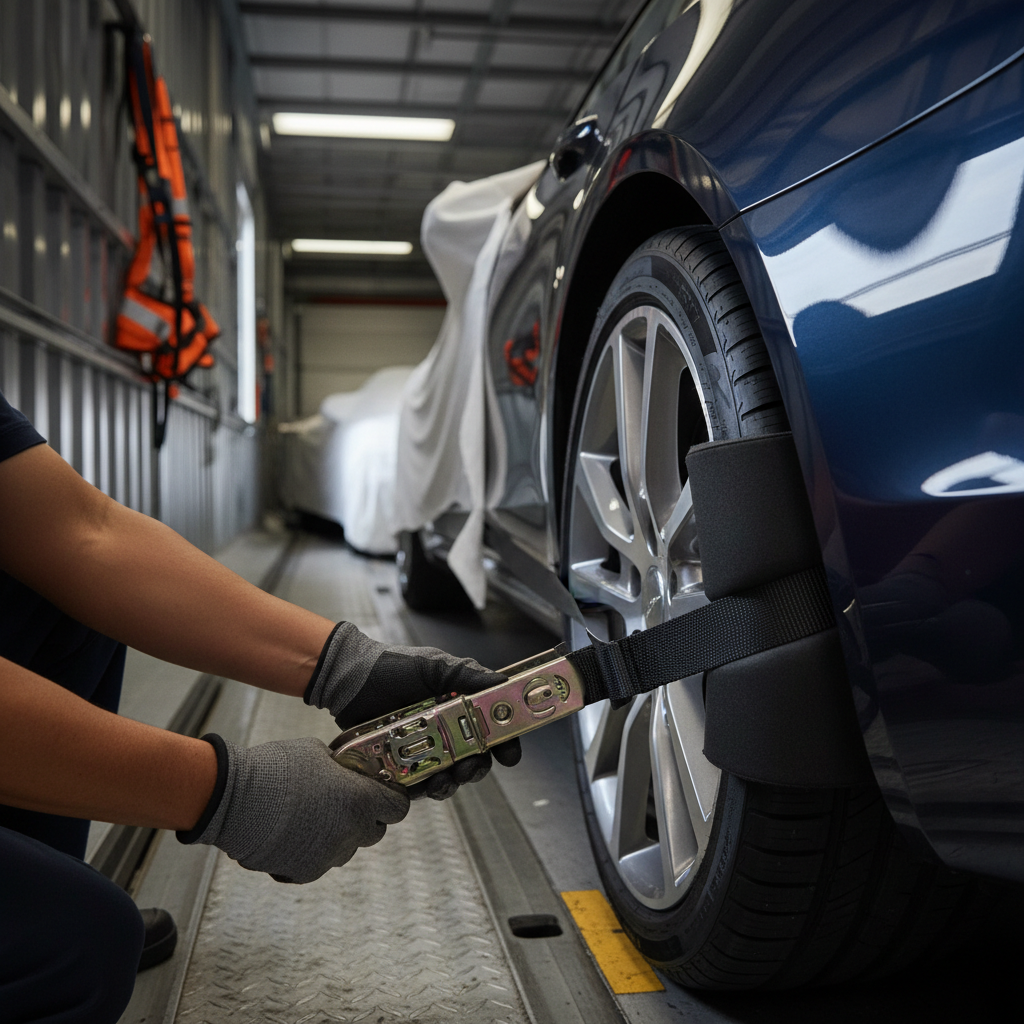
How Digital Calibration Works
The process of digital ADAS calibration involves using specialized equipment and software. Technicians connect diagnostic tools to the vehicle’s onboard systems to analyze and adjust the positioning of sensors and cameras. This technology allows for real-time data collection and adjustment, ensuring that the ADAS components are perfectly aligned.
Digital calibration can be performed in two ways: static calibration and dynamic calibration. Static calibration occurs when the vehicle is stationary, using targets and patterns to align the systems. Dynamic calibration, on the other hand, requires the vehicle to be driven, allowing sensors to adapt to real-world conditions.
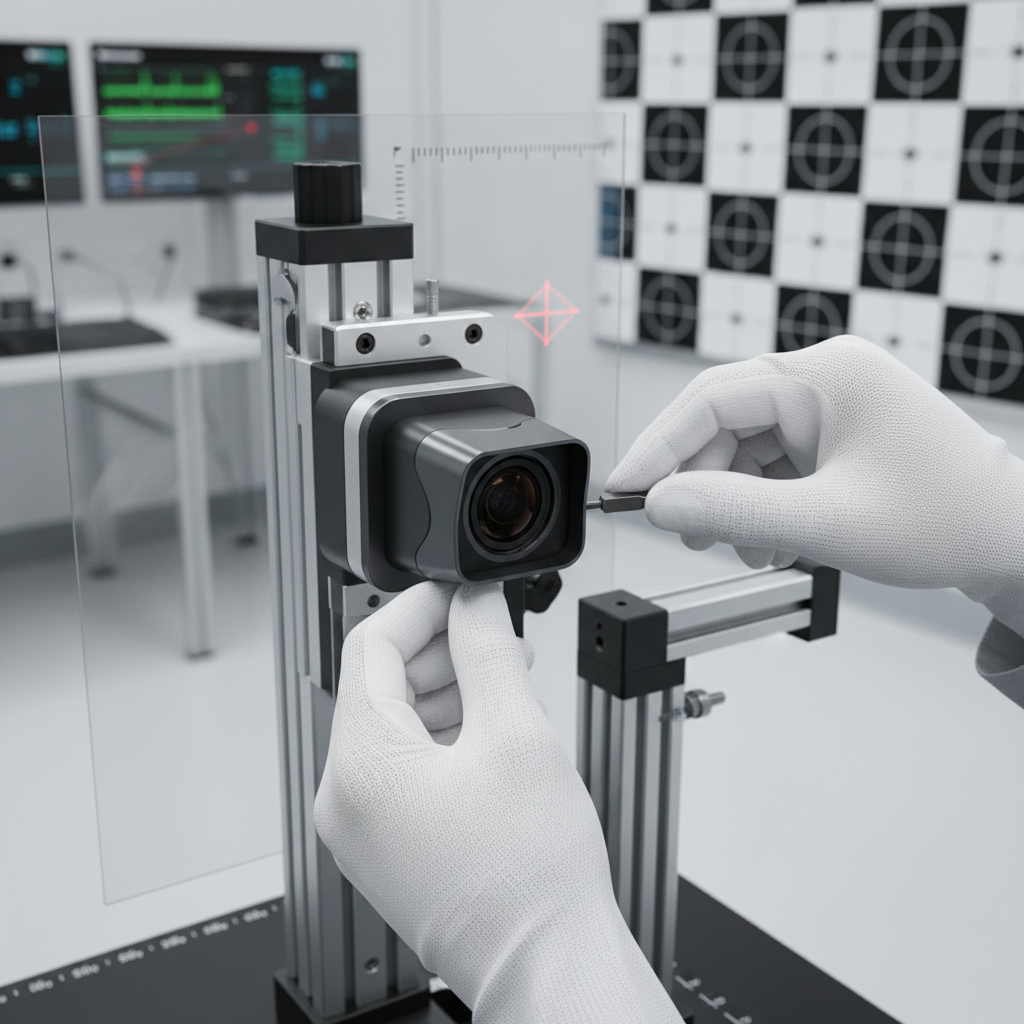
Enhancing Safety Through Precision
By ensuring that ADAS components are accurately calibrated, drivers can rely on these systems to provide real-time alerts and corrections. This precision reduces the likelihood of accidents and enhances overall road safety. When sensors and cameras are properly aligned, they can detect obstacles, lane changes, and other potential hazards more effectively.
Choosing the Right Calibration Service
For optimal results, it's crucial to choose a reputable service provider for digital ADAS calibration. Look for technicians with the latest tools and training in ADAS technology. A well-calibrated system not only enhances safety but also extends the lifespan of the vehicle’s technological components.
In conclusion, digital ADAS calibration is an essential process in maintaining vehicle safety. By ensuring that sensors and cameras are accurately aligned, drivers can trust their vehicle’s assistance systems to perform as intended. Investing in professional calibration services ensures that you are maximizing the safety features of your vehicle, providing peace of mind on every journey.
📍 Need 4 Wheel Alignment, ADAS Calibration or an MOT in Bootle?
Wheel Alignment & Ball Joint Centre Ltd
17 Forth Street, Bootle, Liverpool, L20 8NL
📞 Call: 0151 933 5111 | 🌐 Book Online: wabjc.com
Merseyside’s specialists in computerised 3D Hunter wheel alignment, digital ADAS calibrations, and Class 4, 5 & 7 Test-Only MOTs.