Myths About Wheel Alignment: What’s Fact and What’s Fiction?
Wheel alignment is an essential aspect of vehicle maintenance that often gets overlooked. Despite its importance, several myths surround this topic, leading to confusion among car owners. In this post, we'll debunk some common myths and set the record straight on what's fact and what's fiction.
Myth 1: Wheel Alignment Is Only Necessary When Tires Are Replaced
One common misconception is that wheel alignment is only necessary when you replace your tires. This is simply not true. Regular wheel alignment checks are crucial to ensure optimal vehicle performance and safety. Misalignment can occur due to various factors, such as hitting a pothole or bumping into a curb, and not just tire replacement.
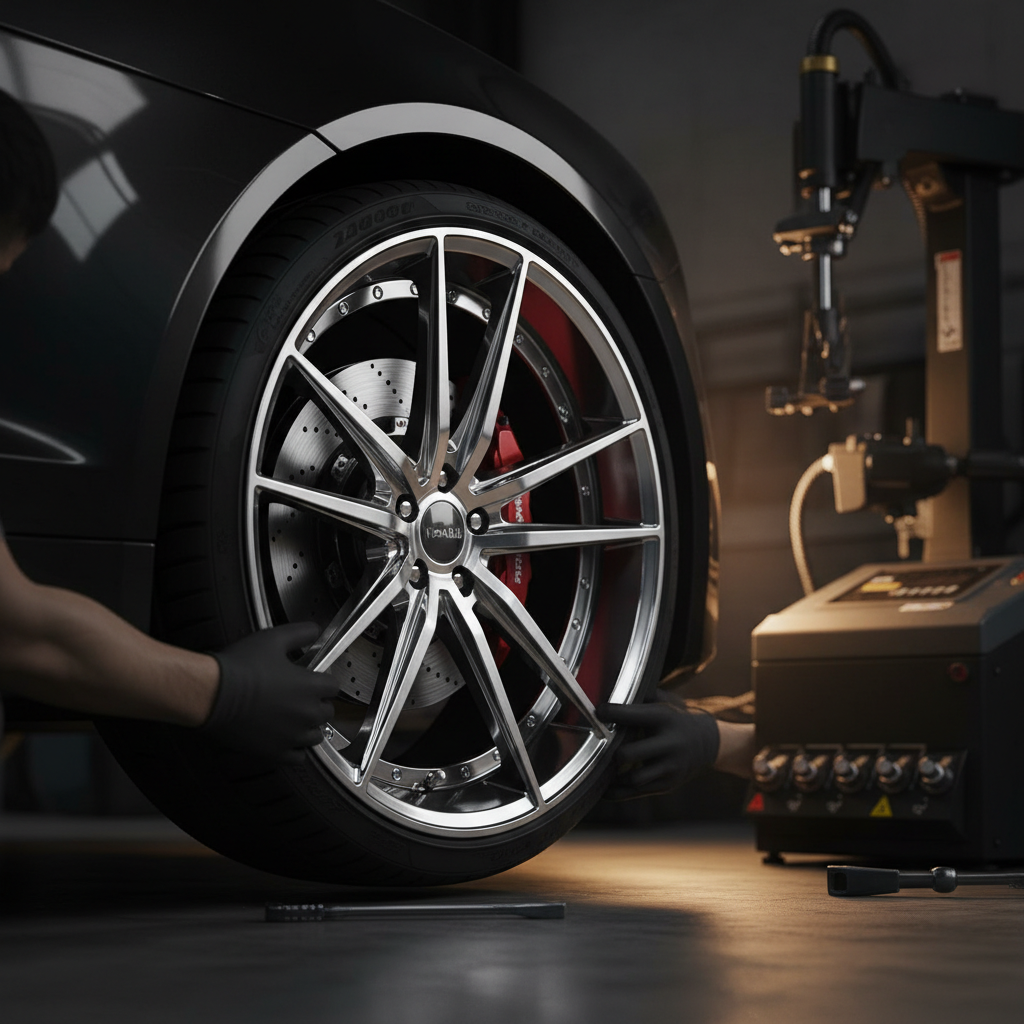
Failing to address alignment issues can lead to uneven tire wear, decreased fuel efficiency, and even steering problems. It's advisable to have your alignment checked at least once a year or whenever you notice your vehicle pulling to one side.
Myth 2: Properly Aligned Wheels Improve Only Tire Life
Another myth is that wheel alignment only impacts tire life. While it's true that proper alignment can extend the life of your tires by preventing uneven wear, its benefits go beyond that. Correct alignment enhances overall vehicle handling, ensuring a smoother and safer driving experience.
Additional Benefits of Proper Alignment
- Improved fuel efficiency
- Enhanced steering control
- Reduced strain on vehicle suspension
By maintaining proper alignment, you not only protect your tires but also improve your vehicle's overall performance and longevity.
Myth 3: DIY Alignment Is Just as Effective as Professional Service
Some car enthusiasts believe they can perform wheel alignment at home using basic tools. However, wheel alignment is a precision task that requires specialized equipment and expertise. Professional alignment services use advanced technology to measure and adjust angles accurately, ensuring optimal performance.
Attempting to do it yourself can lead to improper adjustments, which might worsen the alignment issues, leading to further complications and expenses down the line.
Myth 4: Alignment Isn’t Necessary for New Cars
It's a common belief that new cars don't require alignment checks. However, even new vehicles can experience alignment issues due to manufacturing variances or transportation stresses. It's important to remember that proper alignment is vital for all vehicles, regardless of age.
If you've recently purchased a new car, consider having an alignment check to ensure everything is in top condition. This can prevent any potential issues from arising and help maintain the new car feel for longer.
Conclusion
Understanding the facts about wheel alignment can lead to better vehicle maintenance and performance. By dispelling these myths, you can make informed decisions and ensure your vehicle remains in optimum condition. Regular alignment checks are a small investment that can lead to significant savings and safety on the road.