Preparing Your Vehicle for Winter: Essential Maintenance Tips
Inspect Your Tires
As winter approaches, it's crucial to ensure your tires are ready for the colder months. Start by checking the tire tread. Adequate tread depth is essential for maintaining traction on icy and snowy roads. Consider switching to winter tires if you live in an area with severe winter weather. These tires are designed to provide better grip in low temperatures.
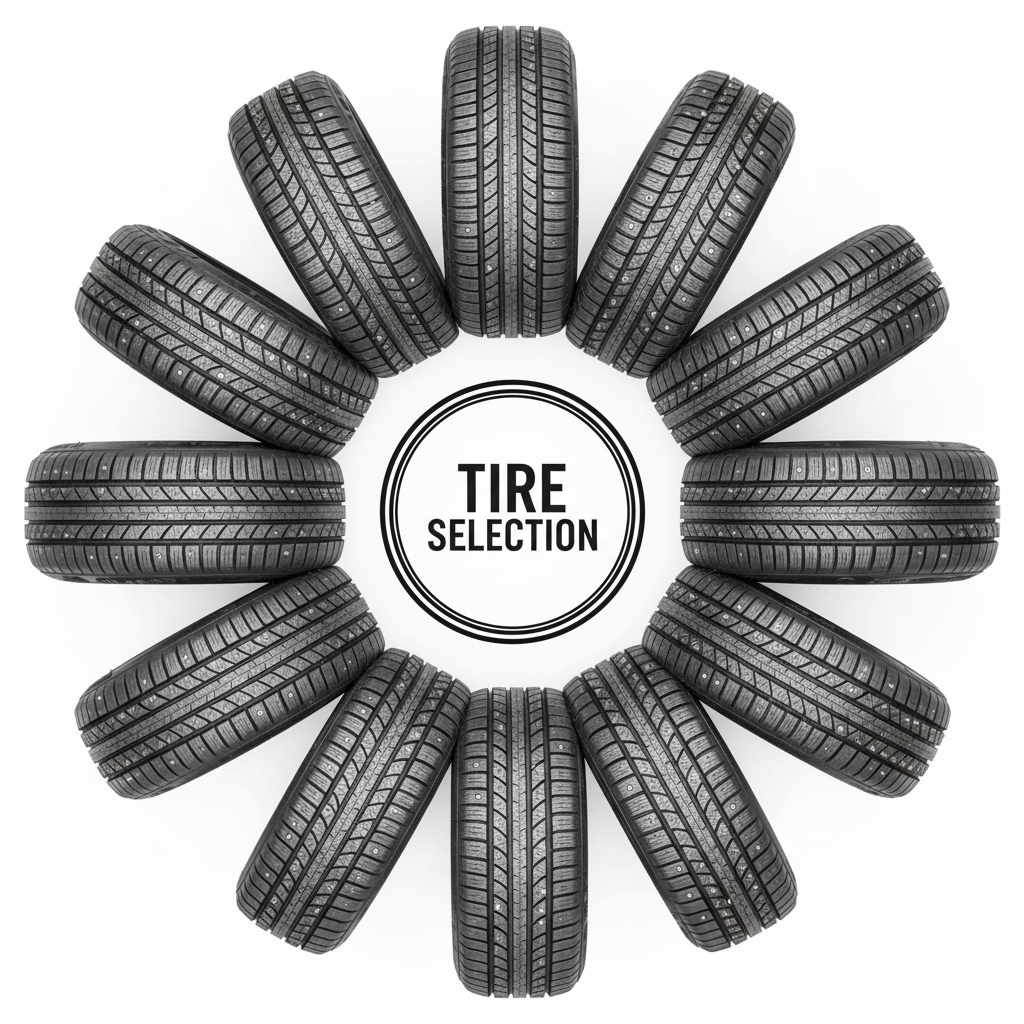
Don't forget to check tire pressure regularly. Cold temperatures can cause tire pressure to drop, which affects fuel efficiency and handling. Refer to your vehicle's manual for the recommended tire pressure and adjust accordingly.
Check Your Battery
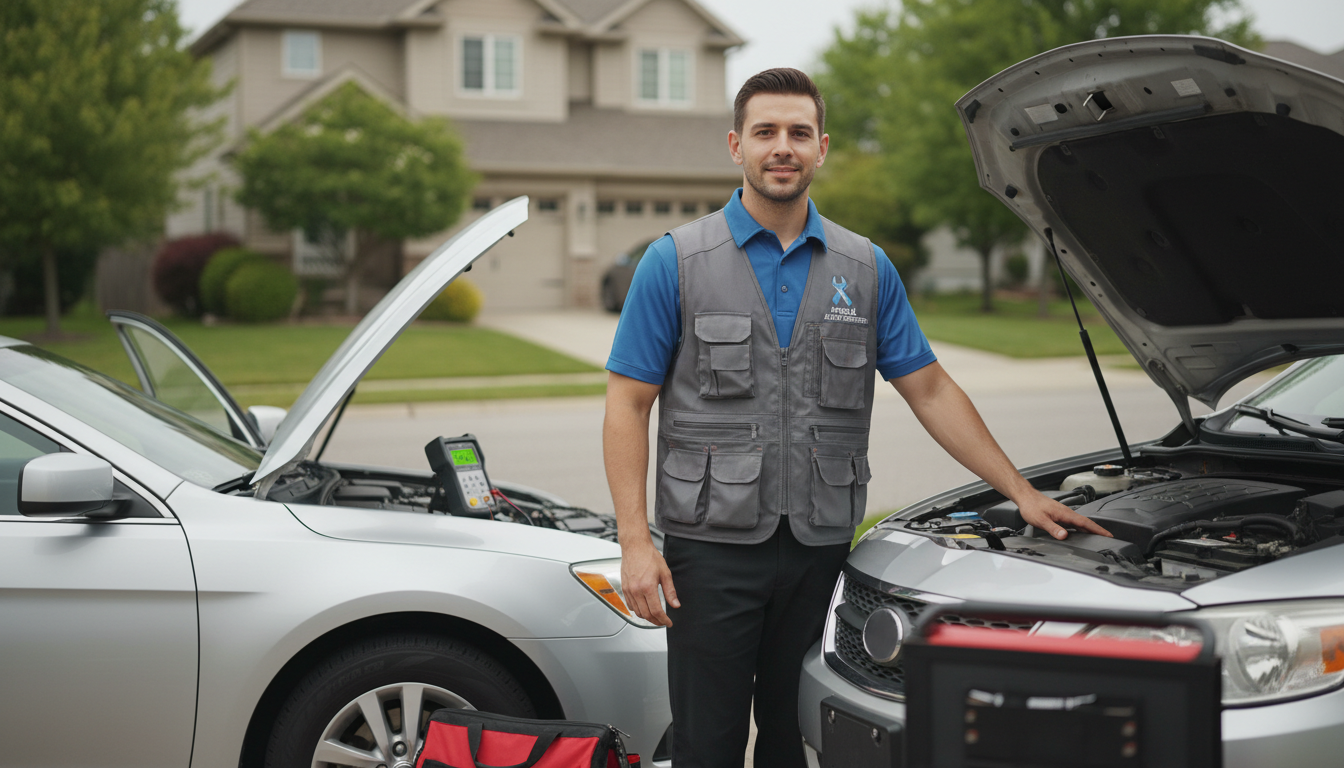
Winter can be harsh on your vehicle's battery. Cold weather reduces the battery's capacity, making it harder to start the engine. Have your battery tested to ensure it's holding a charge. If it's old or weak, consider replacing it before winter sets in.
Additionally, make sure the battery terminals are clean and free of corrosion. A simple mixture of baking soda and water can be used to clean the terminals if necessary.
Ensure Proper Fluid Levels
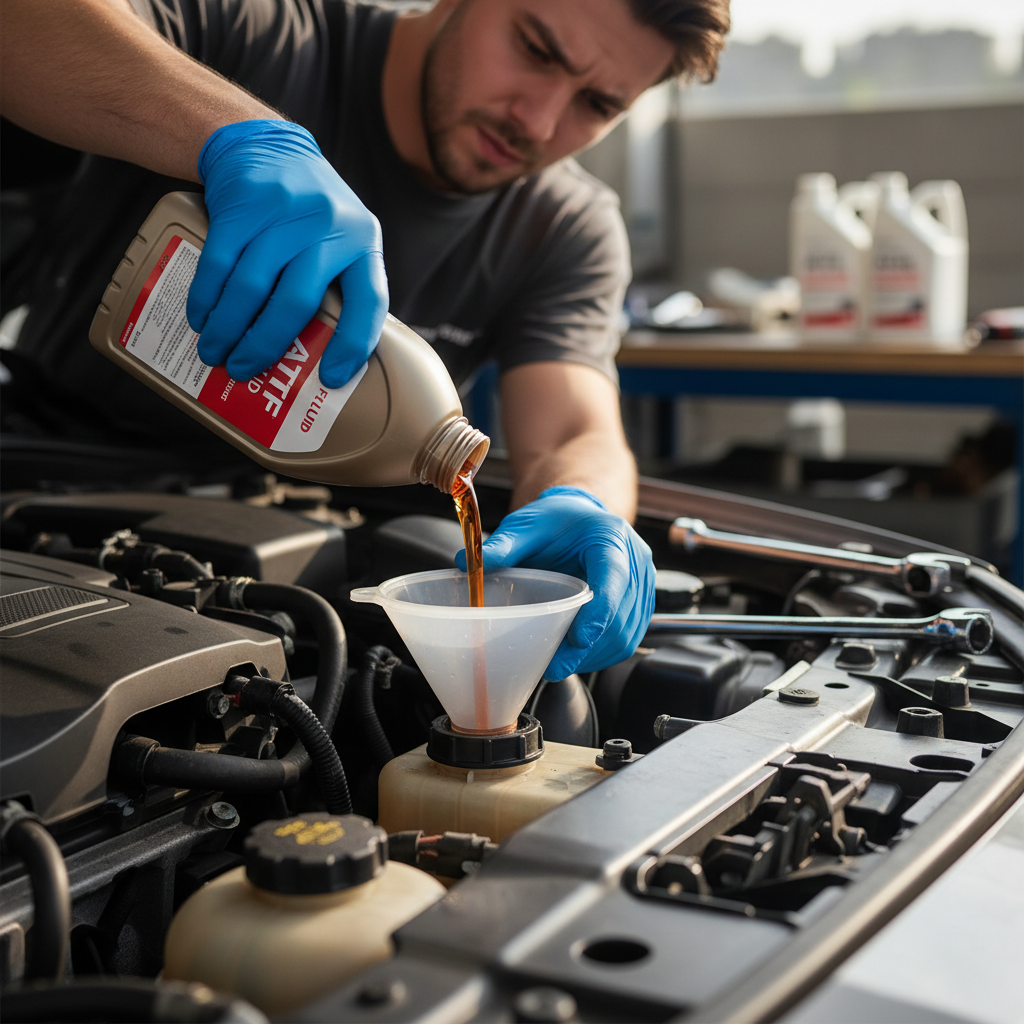
Fluids are the lifeblood of your vehicle, and maintaining the correct levels is vital during winter. Start by checking your antifreeze, which prevents the engine from freezing in cold temperatures. Make sure the coolant mixture is suitable for your climate.
Next, check the oil level and consider switching to a winter-grade oil, which can improve engine performance in cold weather. Don't forget to top up windshield washer fluid with a winter blend to prevent freezing and ensure visibility.
Inspect the Brakes
Your vehicle's brakes are crucial for safe winter driving. Have them inspected by a professional to ensure they're in good condition. Replace any worn pads or rotors to maintain optimal stopping power on slick roads.
In addition, check the brake fluid level and top it off if necessary. Properly functioning brakes are essential for navigating icy conditions safely.
Prepare an Emergency Kit
Even with thorough preparation, emergencies can still occur. Having an emergency kit in your vehicle is a smart precaution. Include items such as a flashlight, blankets, non-perishable snacks, and a first aid kit. Also, consider adding a snow shovel, ice scraper, and jumper cables.
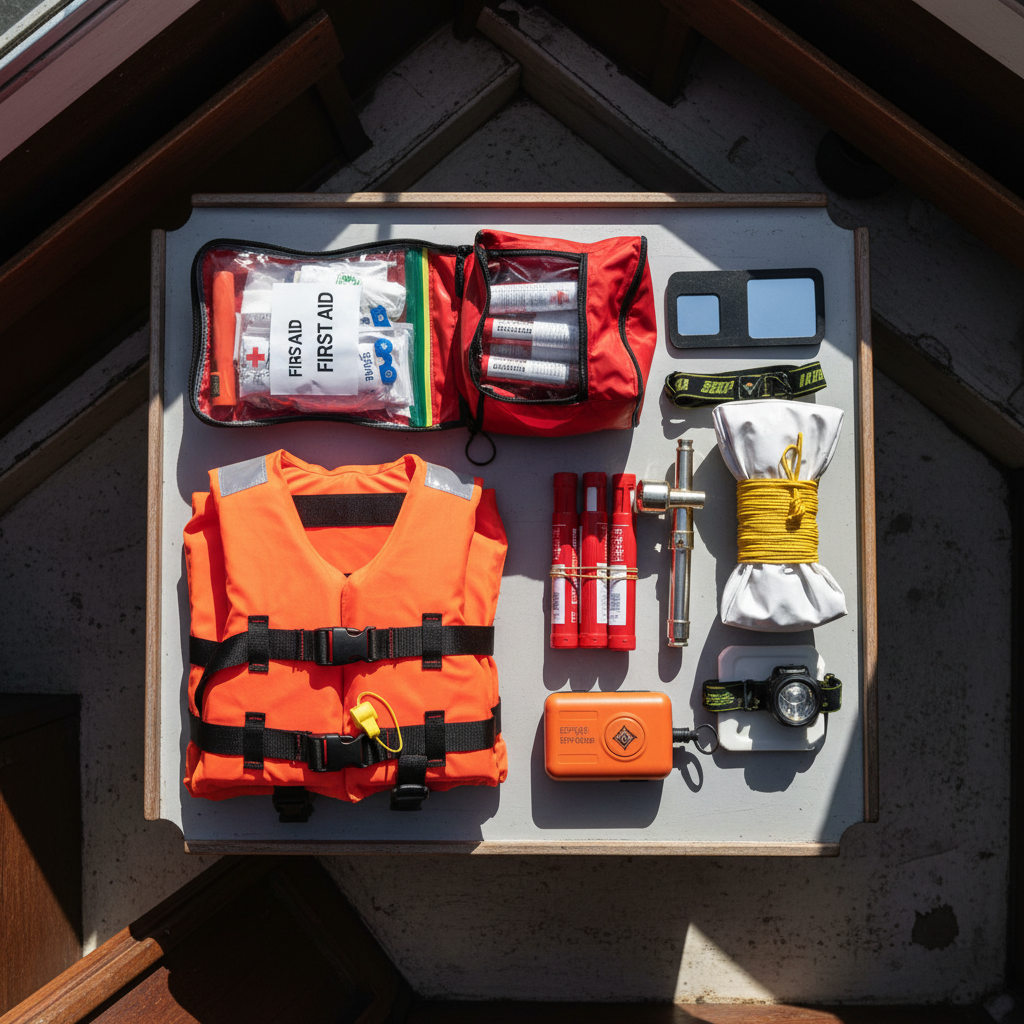
It's wise to have a fully charged phone and a car charger with you at all times. In case you get stranded, these tools could be lifesavers until help arrives.
Test Your Lights
Winter brings shorter days and longer nights, making visibility crucial. Check all your vehicle's lights, including headlights, taillights, and turn signals, to ensure they are working properly. Replace any burnt-out bulbs immediately.
Consider cleaning the lenses of your lights to improve brightness. This simple step can significantly enhance your visibility on dark, winter roads.
📍 Need 4 Wheel Alignment, ADAS Calibration or an MOT in Bootle?
Wheel Alignment & Ball Joint Centre Ltd
17 Forth Street, Bootle, Liverpool, L20 8NL
📞 Call: 0151 933 5111 | 🌐 Book Online: wabjc.com
Merseyside’s specialists in computerised 3D Hunter wheel alignment, digital ADAS calibrations, and Class 4, 5 & 7 Test-Only MOTs.