The Future of Vehicle Safety: Exploring Digital ADAS Calibration
Understanding Digital ADAS Calibration
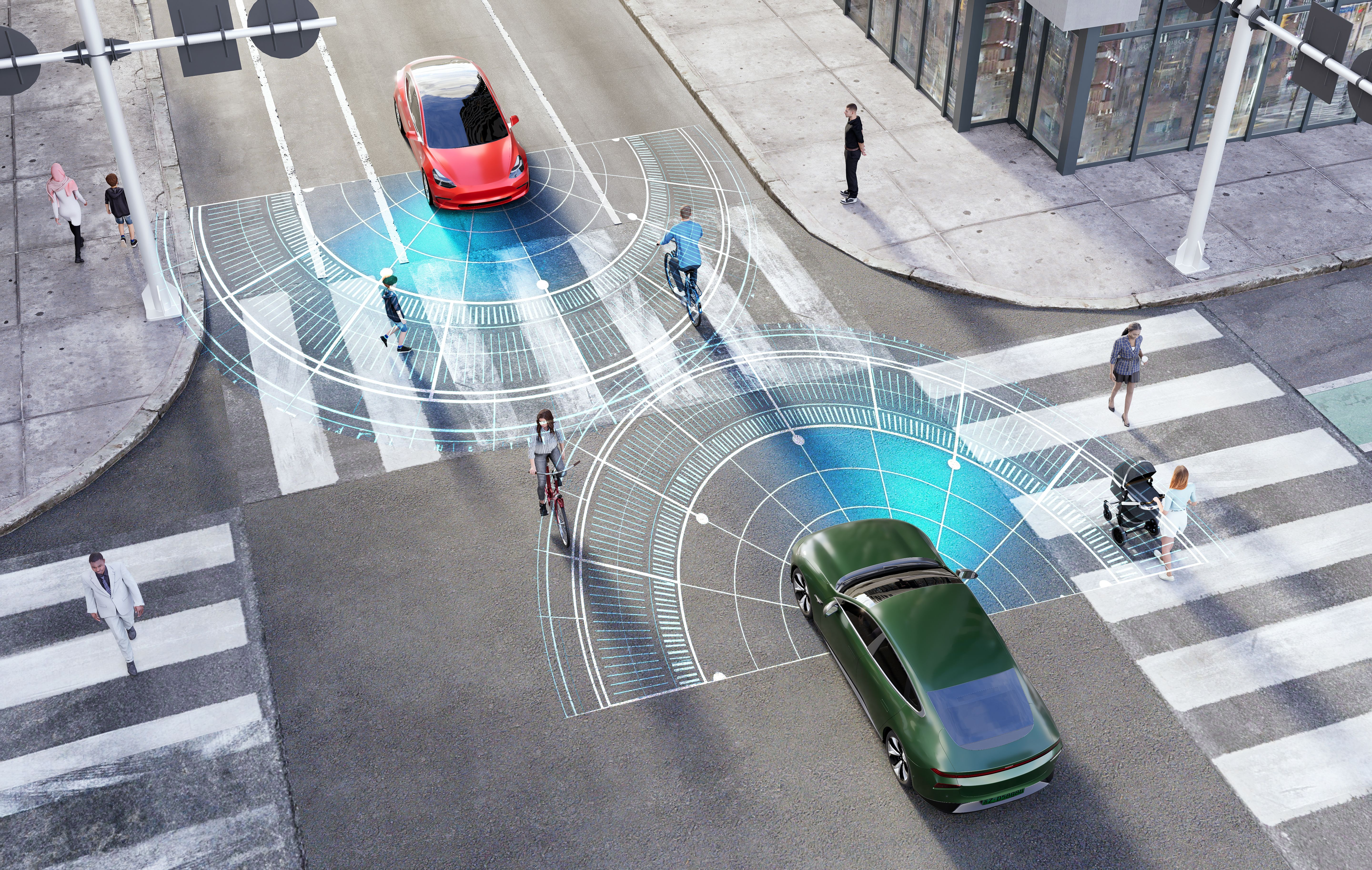
As vehicles continue to evolve, the integration of Advanced Driver Assistance Systems (ADAS) has become a cornerstone of modern automotive safety. These systems, designed to automate, adapt, and enhance vehicle safety, rely heavily on precise calibration to function optimally. With technological advancements, the future of vehicle safety is increasingly dependent on digital ADAS calibration.
The transition from traditional to digital calibration methods marks a significant leap forward. Digital ADAS calibration ensures that sensors and cameras are finely tuned, providing accurate data to the vehicle's systems. This precision is crucial for the effective operation of features like lane-keeping assistance, adaptive cruise control, and automatic emergency braking.

The Importance of Accurate Calibration
Accurate calibration is essential not only for safety but also for legal and insurance reasons. A misaligned sensor can result in false readings, leading to potential accidents or system failures. As vehicles become more reliant on technology, the margin for error decreases, making digital calibration a necessity.
Inaccurate calibration can affect a vehicle’s performance and may void warranties or insurance claims. Therefore, regular calibration checks are recommended, especially after any collision repairs or windshield replacements, where sensor realignment is crucial.

Benefits of Digital ADAS Calibration
Switching to digital calibration offers numerous benefits. Here are a few key advantages:
- Precision: Digital methods provide a higher level of accuracy, ensuring systems operate as intended.
- Efficiency: Faster calibration processes reduce downtime and improve service turnaround.
- Consistency: Digital tools offer standardized procedures, minimizing human error.
Technological Innovations in Calibration
The evolution of calibration technology is driven by innovations in software and sensor technology. Advanced tools now include augmented reality interfaces and AI-driven diagnostics, which guide technicians through the calibration process with greater ease and accuracy.
Moreover, remote calibration services are becoming popular, allowing technicians to diagnose and recalibrate systems using cloud-based platforms. This capability is especially beneficial in reducing service time and costs, making it an appealing option for both service providers and consumers.
The Road Ahead
Looking to the future, digital ADAS calibration will continue to play a pivotal role in vehicle safety. As autonomous vehicles become more prevalent, the need for precise and reliable ADAS systems will grow, driving further advancements in calibration technology.
Manufacturers and service providers must stay ahead of these trends, investing in the latest tools and training to ensure they can meet the demands of the evolving automotive landscape. By embracing digital calibration, the industry can enhance safety, reduce risks, and pave the way for the next generation of intelligent transportation.