The Importance of Accurate ADAS Calibration for Vehicle Safety
Understanding ADAS Technology
Advanced Driver Assistance Systems (ADAS) are becoming increasingly common in modern vehicles. These systems use sensors, cameras, and other technologies to assist drivers in making safe driving decisions. From lane-keeping assistance to automatic emergency braking, ADAS is designed to enhance vehicle safety and prevent accidents.
However, the effectiveness of these systems heavily relies on precise calibration. Any misalignment or malfunction in the ADAS components can lead to inaccurate readings, resulting in potential safety hazards. Therefore, ensuring that all ADAS components are accurately calibrated is crucial for maintaining the integrity of these systems.

Why Calibration Matters
The accuracy of ADAS components is critical because even a minor miscalibration can cause significant issues. For example, if a camera or sensor is not correctly aligned, the system may misjudge distances, leading to inappropriate responses. This can result in anything from false alarms to complete system failures.
Calibration is essential after any event that might affect the vehicle’s alignment, such as a collision, suspension repair, or even a windshield replacement. Ensuring that all components are functioning correctly can drastically reduce the risk of accidents.
Common ADAS Calibration Procedures
There are several procedures involved in calibrating ADAS components, which may include:
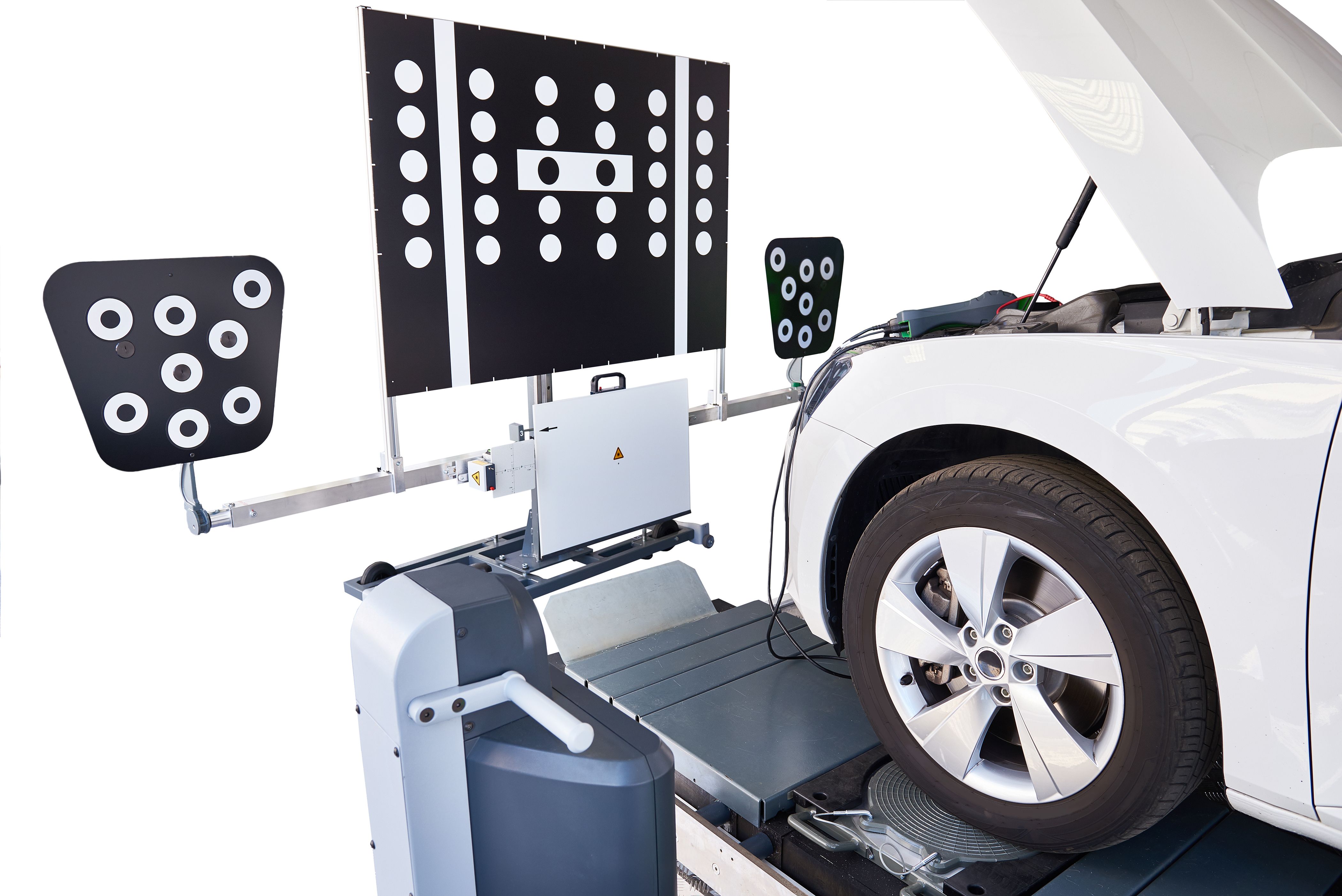
- Static Calibration: This involves adjusting sensors and cameras while the vehicle is stationary, often using specialized equipment.
- Dynamic Calibration: This requires driving the vehicle under specific conditions to allow the ADAS system to self-calibrate based on real-world data.
Professional Calibration Services
Given the complexity of ADAS technologies, calibration should always be performed by trained professionals. These experts use specialized tools and software to ensure that every component is perfectly aligned and functioning as intended.
Professional calibration services will often include a thorough diagnostic check to identify any underlying issues that could affect system performance. This ensures not just accurate calibration but also the overall health of the ADAS components.
The Impact on Insurance and Liability
Accurate ADAS calibration is not only essential for safety but also for legal and insurance purposes. Improper calibration can lead to disputes in the event of an accident, potentially affecting insurance claims and liability.
Many insurance companies are now requiring proof of ADAS calibration when processing claims related to accidents involving these systems. This further underscores the importance of maintaining accurate and documented calibration records.

Consumer Awareness and Responsibility
As a vehicle owner, it is your responsibility to ensure that your vehicle’s ADAS is properly calibrated. Regular maintenance checks and prompt attention to any system alerts are vital practices to keep these systems operating effectively.
Understanding how ADAS works and its reliance on accurate calibration empowers consumers to make informed decisions about their vehicle maintenance and safety.
Conclusion
ADAS technology represents a significant advancement in vehicle safety, but its effectiveness hinges on precise calibration. Regular and professional calibration not only enhances safety but also ensures compliance with insurance and legal standards.
By prioritizing accurate calibration, vehicle owners can enjoy the full benefits of ADAS, contributing to safer roads for everyone.