The Importance of Digital ADAS Calibration for Modern Vehicles
The Evolution of Vehicle Safety
In recent years, the automotive industry has made significant strides in enhancing vehicle safety through technological advancements. One of the most notable innovations is the development of Advanced Driver Assistance Systems (ADAS). These systems are designed to improve driver safety and comfort by automating, adapting, and enhancing vehicle systems for safer and better driving.
ADAS includes features such as adaptive cruise control, lane-keeping assist, and automatic emergency braking. As these systems rely heavily on sensors and cameras, their proper functioning is crucial for maintaining vehicle safety. This is where digital ADAS calibration comes into play.

Understanding Digital ADAS Calibration
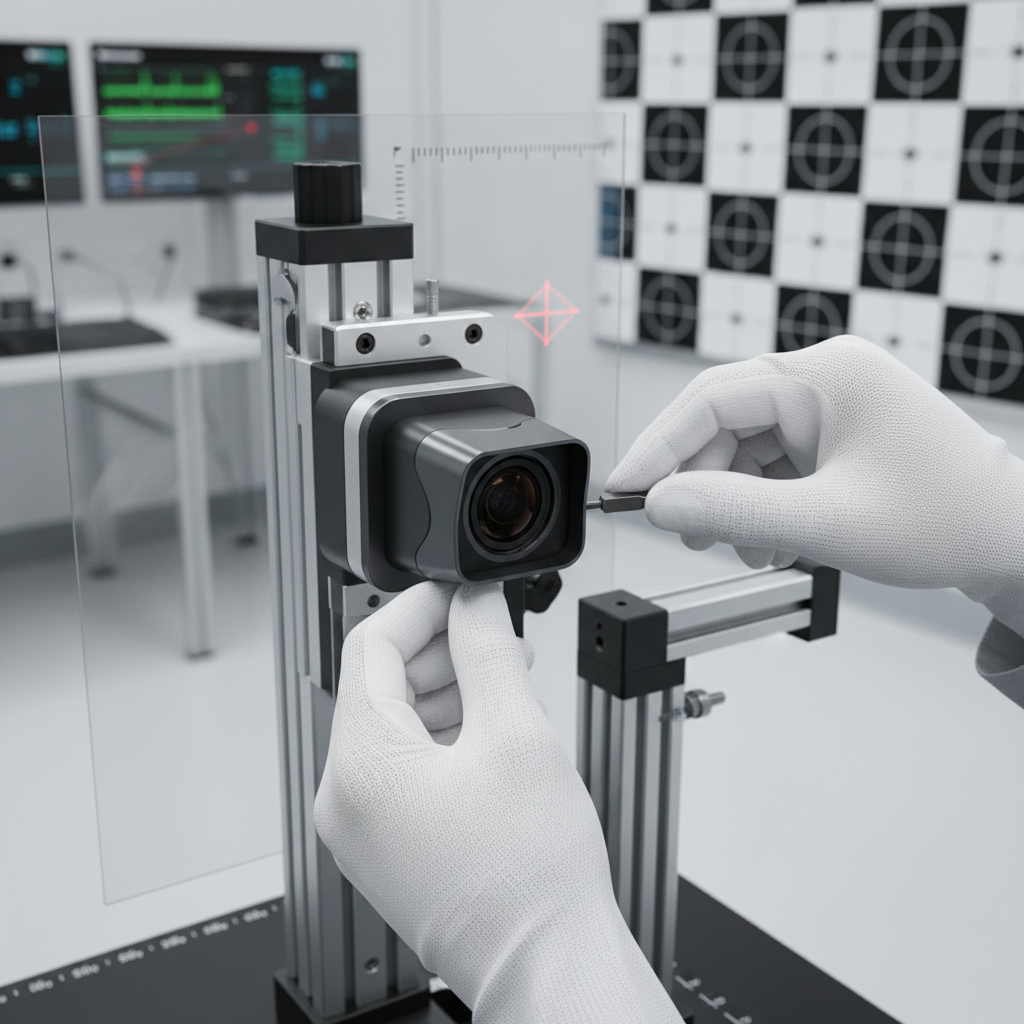
Digital ADAS calibration is the process of adjusting and aligning the sensors and cameras used in ADAS to ensure they function accurately. These sensors need to be precisely calibrated to provide the correct data to the vehicle’s systems. Without proper calibration, there is a risk of incorrect data, which can lead to the failure of ADAS features.
There are typically two types of calibration: static and dynamic. Static calibration involves using specialized equipment in a controlled environment, while dynamic calibration requires driving the vehicle under specific conditions. Both types are essential for ensuring that the ADAS operates correctly.
Why Calibration is Crucial
The importance of digital ADAS calibration cannot be overstated. Proper calibration ensures that the sensors and cameras provide accurate information to the vehicle’s systems. This accuracy is vital for the effective operation of features like collision avoidance and lane departure warnings, which can be lifesaving.
Consequences of Improper Calibration
If the sensors and cameras are not correctly calibrated, several issues can arise:
- Inaccurate warnings that can lead to driver distraction or panic.
- Failure of safety features to activate during critical moments.
- Increased risk of accidents due to incorrect data interpretation.
The Role of Professionals
Given the complexity of digital ADAS calibration, it is essential to have it performed by trained professionals. These experts have the necessary tools and expertise to ensure that the calibration process is executed correctly. Attempting to calibrate ADAS systems without professional help can lead to errors and potential safety risks.

When to Consider Recalibration
There are several situations where recalibration of the ADAS is necessary:
- After replacing or repairing the windshield or bumper.
- Following a collision or accident.
- When there are changes in the vehicle’s suspension or alignment.
Conclusion
In conclusion, digital ADAS calibration is a critical component in maintaining the safety and functionality of modern vehicles. As ADAS technology continues to evolve, ensuring that these systems are properly calibrated will remain essential. By investing in professional calibration services, drivers can help safeguard themselves and others on the road.