Understanding ADAS Calibration: Why It Matters for Your Vehicle
What is ADAS Calibration?
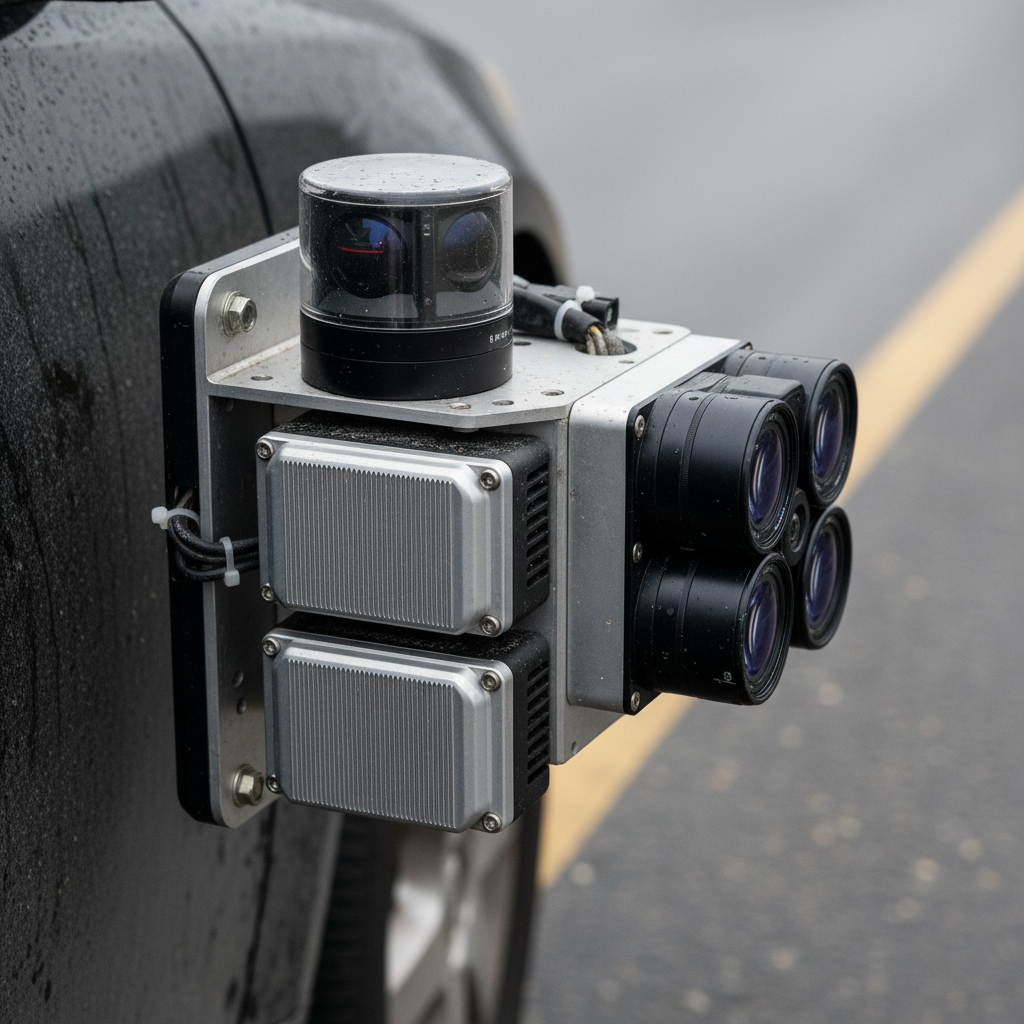
Advanced Driver Assistance Systems (ADAS) are crucial technologies designed to enhance vehicle safety and driving convenience. These systems rely on cameras, sensors, and radars to function effectively. ADAS calibration is the process of aligning these components to ensure they work correctly, providing accurate data to the system.
Calibration is essential after certain vehicle repairs or modifications, such as windshield replacement, suspension adjustments, or collision repairs. It ensures that the ADAS components are accurately detecting and responding to the environment.
Why ADAS Calibration Matters
Proper calibration is vital for maintaining the accuracy and reliability of ADAS features. Misaligned sensors or cameras can lead to incorrect readings, which may compromise safety. For example, a miscalibrated lane departure warning system could fail to alert you when you drift out of your lane.
Ensuring that your ADAS is correctly calibrated not only maintains safety but also optimizes the functionality of features like adaptive cruise control, automatic emergency braking, and parking assist.
Impact on Safety
ADAS technologies are designed to prevent accidents and reduce the severity of collisions. When these systems are accurately calibrated, they can respond quickly and appropriately to potential hazards, significantly reducing the risk of accidents.
When Should You Calibrate ADAS?
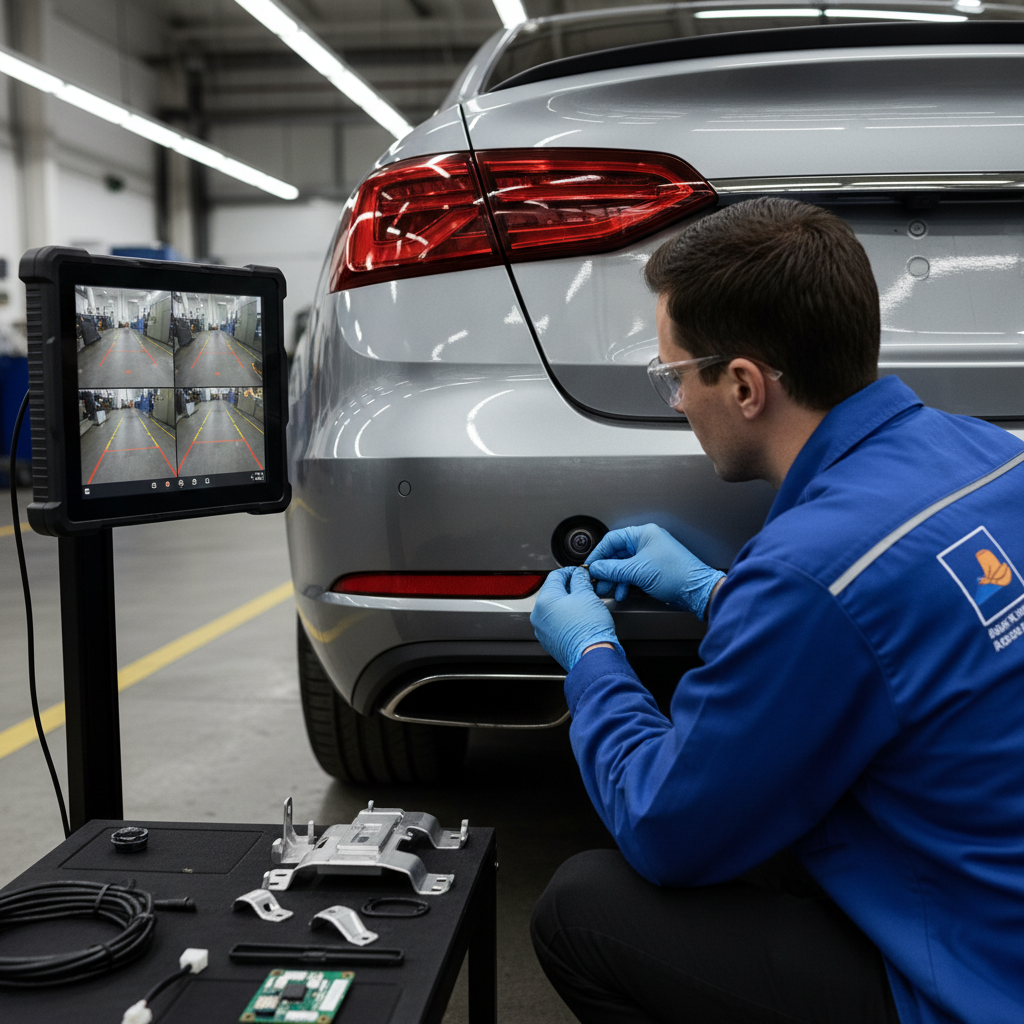
Calibration is necessary under several conditions. Here are some situations when you should ensure your ADAS is calibrated:
- After windshield replacement
- Following suspension changes
- Post-collision repairs
- When sensors or cameras are replaced
Regular checks are also recommended as part of routine vehicle maintenance, especially if you notice any performance issues with the ADAS features.
Types of ADAS Calibration
There are two main types of ADAS calibration: static and dynamic. Static calibration is performed in a controlled environment using specialized tools and targets, while dynamic calibration requires driving the vehicle to collect data under real-world conditions.
The Calibration Process
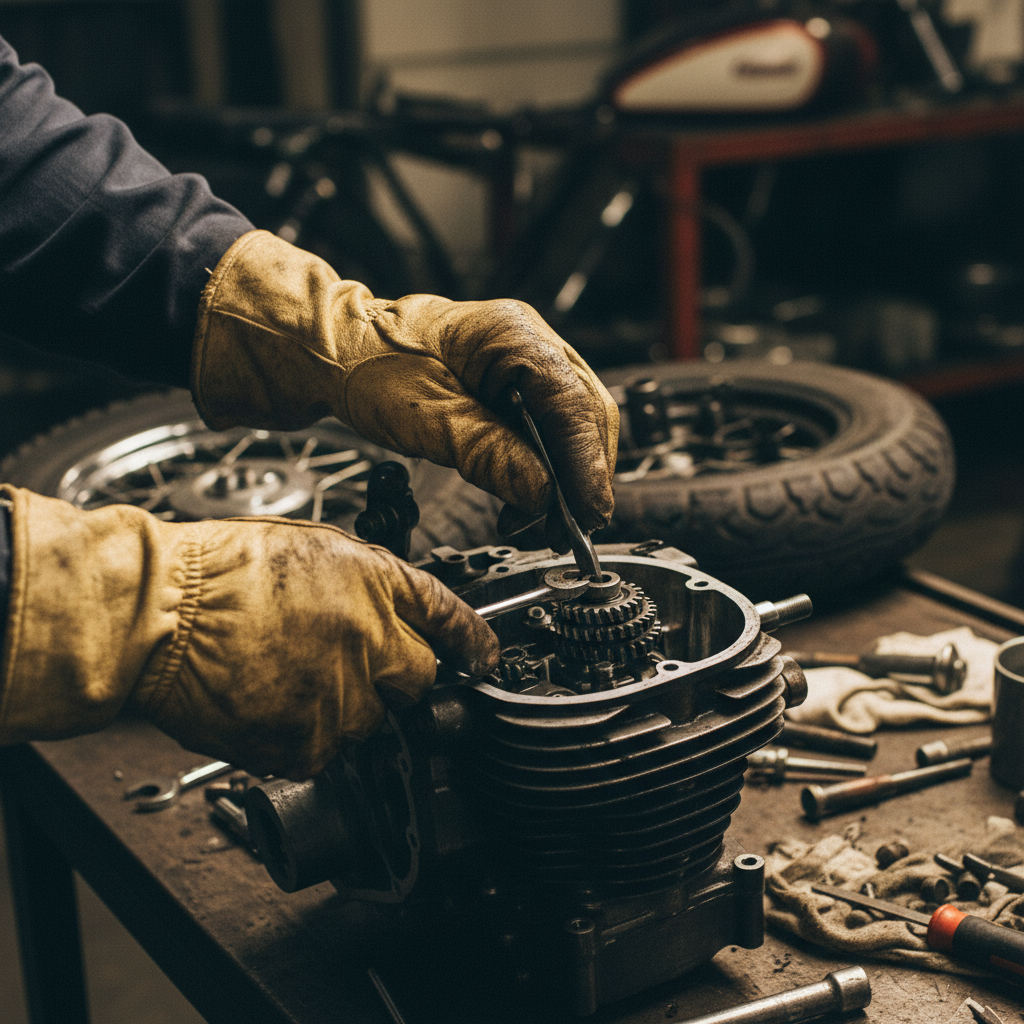
Professional technicians use advanced equipment to calibrate ADAS. The process involves:
- Using diagnostic tools to identify sensor and camera alignment.
- Adjusting components to meet manufacturer specifications.
- Testing the system to ensure accuracy and functionality.
Calibration can take several hours and requires precision to ensure all systems are functioning correctly.
Choosing the Right Service Provider
It’s crucial to select a qualified service provider for ADAS calibration. Look for technicians with experience and certification in ADAS technologies. They should have access to the latest tools and software to ensure precise calibration.
Investing in professional calibration services not only safeguards your vehicle’s safety systems but also provides peace of mind knowing that your ADAS features are working as intended.