Understanding Front Windscreen Camera Calibration: A Crucial Safety Measure
The Importance of Front Windscreen Camera Calibration
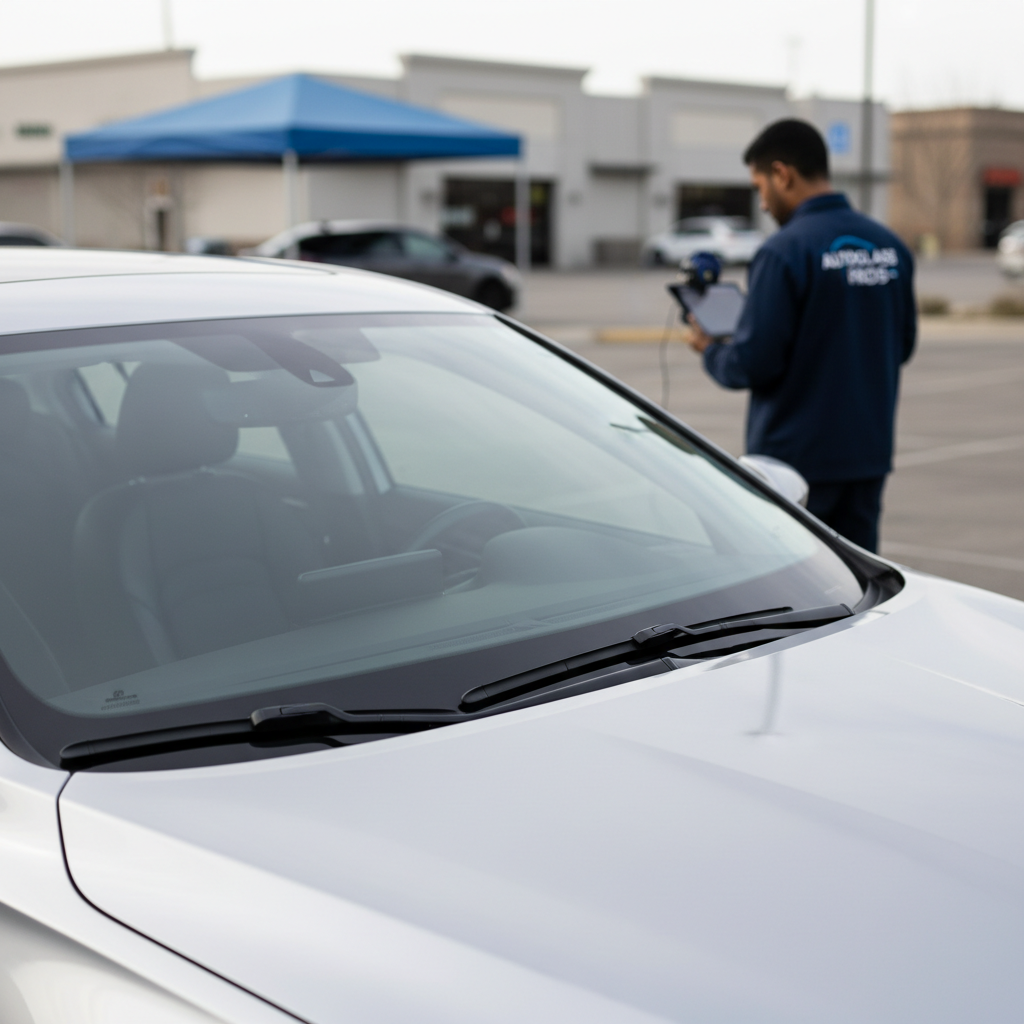
In today’s modern vehicles, advanced driver assistance systems (ADAS) are becoming increasingly prevalent. Among these technologies, the front windscreen camera plays a crucial role in ensuring safety by assisting with lane departure warnings, adaptive cruise control, and emergency braking systems. However, for these systems to function optimally, proper calibration of the camera is essential.
Why Calibration is Necessary
Over time, factors such as road vibrations, minor collisions, and even routine maintenance can affect the alignment and accuracy of the front windscreen camera. When misaligned, these cameras can lead to incorrect readings, potentially compromising the safety features they support. Thus, regular calibration ensures the camera continues to provide accurate data to the vehicle’s systems.
Calibration is not only a matter of accuracy but also a critical safety measure. An uncalibrated camera might fail to detect obstacles or misinterpret road markings, leading to safety hazards. Ensuring your camera is correctly calibrated helps maintain the reliability of ADAS features.
When to Consider Recalibration
There are several scenarios when recalibration of the front windscreen camera is necessary. Here are some common situations:
- After replacing the windscreen
- Following any front-end collision
- During major repairs or part replacements involving the camera or its mountings
The Calibration Process
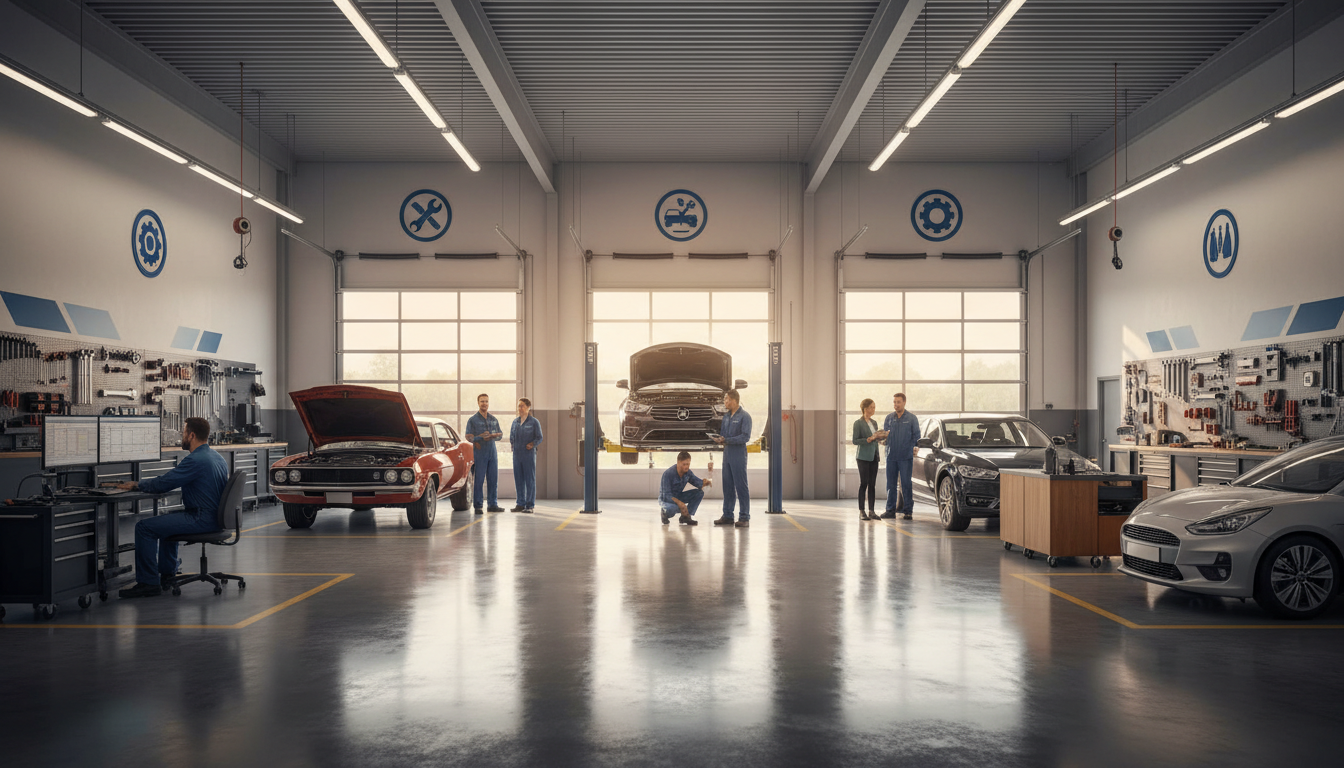
The calibration process involves adjusting the camera's orientation and alignment to ensure it accurately captures and processes visual information. This procedure typically requires specialized equipment and expertise. Technicians use precise measurements and tools to align the camera according to the manufacturer's specifications.
There are generally two types of calibration: static and dynamic. Static calibration is performed in a controlled environment using specific targets, while dynamic calibration requires the vehicle to be driven to gather data for adjustment.
Choosing a Qualified Technician
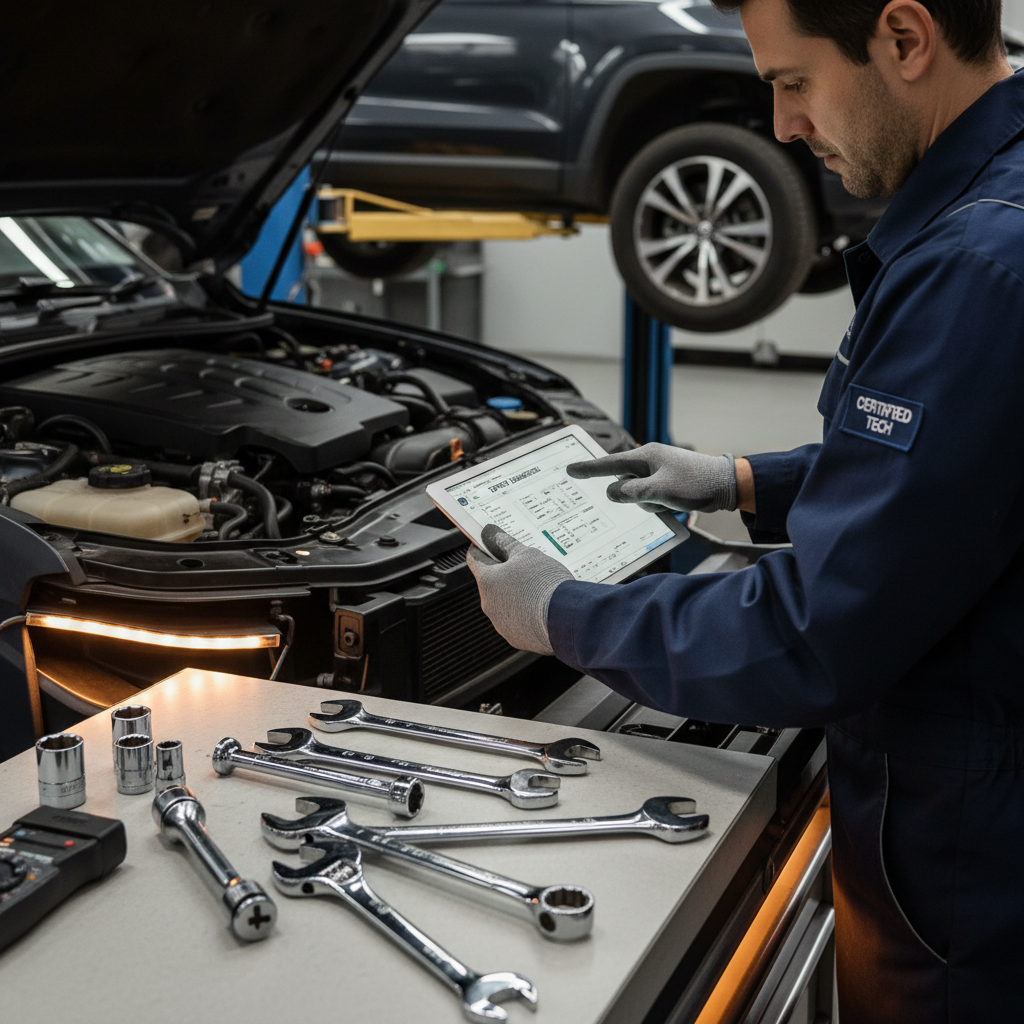
When it comes to calibration, choosing a qualified technician is vital. Not all repair shops have the necessary equipment or expertise to perform accurate calibrations. Look for service centers that are certified and have experience with ADAS technologies.
Additionally, verify that the technicians are trained specifically in the calibration of front windscreen cameras. This ensures that the calibration process adheres to the highest standards, maintaining the integrity of your vehicle’s safety features.
Conclusion: Ensuring Safety and Performance
In conclusion, understanding and maintaining the calibration of your front windscreen camera is crucial for the optimal functionality of your vehicle's ADAS features. Regular recalibration not only ensures the safety of the driver and passengers but also enhances the overall driving experience.
By staying informed and proactive about calibration, you can contribute to a safer driving environment for everyone on the road. Remember, proper maintenance today can prevent potential safety issues tomorrow.