Understanding the Importance of Front Radar Calibration for Safe Driving
Understanding the Role of Front Radar Systems
Modern vehicles are equipped with advanced technologies designed to enhance safety and driving convenience. Among these, front radar systems play a crucial role in maintaining safe distances and preventing collisions. These systems use radar waves to detect objects and calculate their distance, speed, and trajectory relative to the vehicle.
Front radar systems are integral to features such as Adaptive Cruise Control (ACC) and Automatic Emergency Braking (AEB). They enable a vehicle to automatically adjust its speed to maintain a safe distance from the car in front and apply brakes when necessary. The accuracy of these systems directly impacts their effectiveness in safeguarding drivers and passengers.

The Need for Regular Calibration
Despite their advanced technology, front radar systems require regular calibration to function correctly. Calibration ensures that the radar sensors are accurately aligned and capable of providing precise data. Misalignment can result from minor collisions, replacement of the windshield, or even regular wear and tear.
Failure to calibrate these systems can lead to incorrect readings, which might compromise safety systems. For instance, a miscalibrated radar might not detect an impending obstacle in time, delaying the vehicle's response and increasing the risk of an accident.
When Should Calibration Be Done?
Regular calibration should be part of routine vehicle maintenance. It is especially necessary after events like:
- Accidents or collisions
- Windshield replacement
- Suspension or steering repairs
- Modification of vehicle height
The Calibration Process
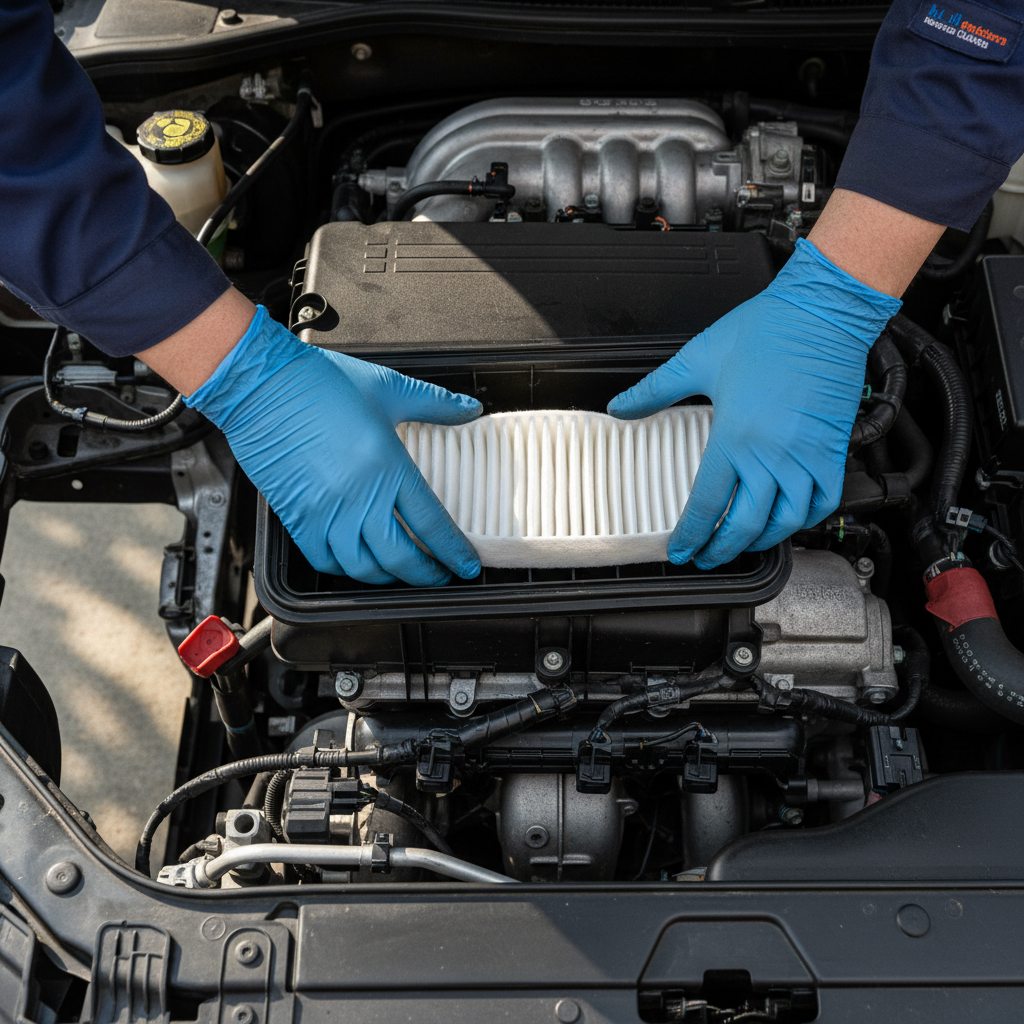
Calibration of front radar systems is a precise procedure that requires specialized equipment and expertise. Technicians use diagnostic tools to ensure the radar sensors are perfectly aligned and functioning within the manufacturer's specified parameters. This process can vary slightly depending on the make and model of the vehicle.
Typically, calibration involves positioning the vehicle on a flat surface and using targets or reflectors to adjust the radar's aim. The procedure ensures that the radar can accurately detect objects and communicate effectively with other vehicle safety systems.
Benefits of Proper Calibration
Ensuring your vehicle's radar systems are correctly calibrated brings several benefits:
- Enhanced Safety: Proper calibration ensures that safety features like AEB and ACC function optimally, reducing the risk of accidents.
- Improved Performance: Accurately calibrated systems enhance the overall driving experience by providing seamless assistance.
- Cost Efficiency: Regular calibration can prevent potential damage caused by malfunctioning systems, saving on repair costs.
Conclusion
Front radar calibration is a critical aspect of vehicle maintenance, ensuring that safety systems perform as intended. As technology in vehicles continues to advance, staying informed about the maintenance needs of these systems becomes increasingly important. Regular calibration not only enhances safety but also contributes to the longevity and reliability of your vehicle.
By understanding and prioritizing front radar calibration, drivers can enjoy a safer, more efficient driving experience, confident in the knowledge that their vehicle is equipped to handle the challenges of the road.